Referee Signals explained in plain English for parents learning Volleyball.
Point Or Side-Out
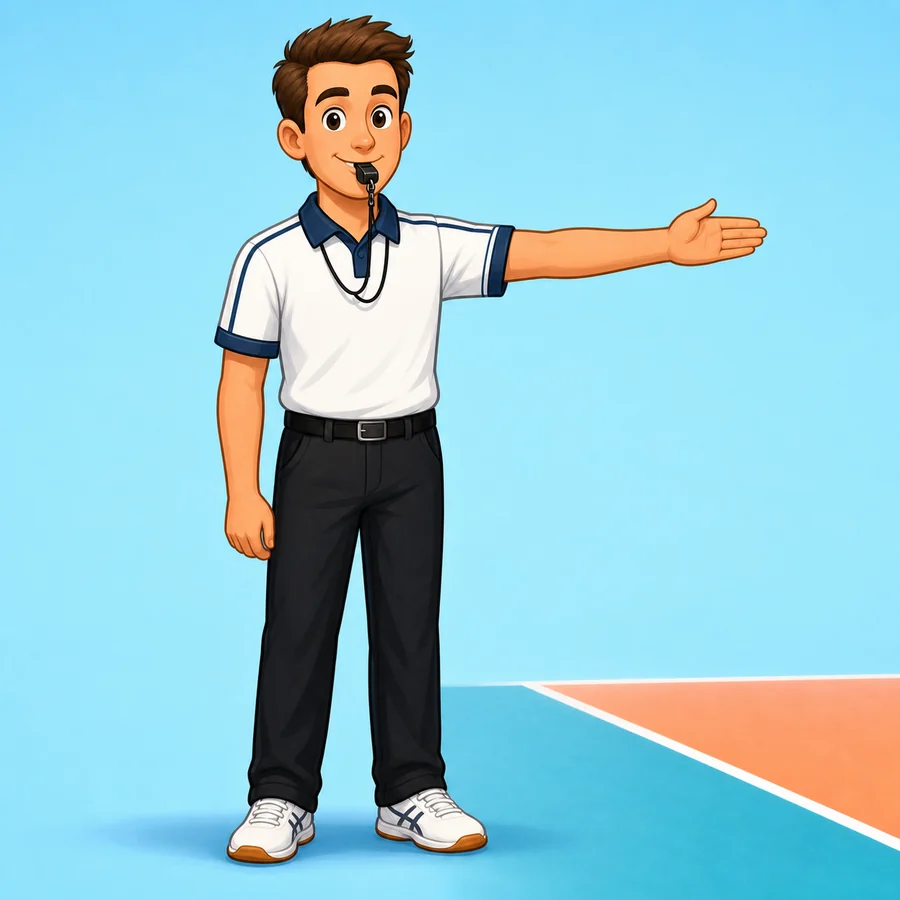
The referee awards the rally to one team, and that team either keeps or gains the serve depending on the situation.
When it happens: After the ball lands, goes out, or a violation is called.
What parents should know: With rally scoring, this usually means a point is added. If the receiving team wins, it also gets the next serve.
Visual cue: Referee extends an arm toward the team that won the rally.
Serve Authorization
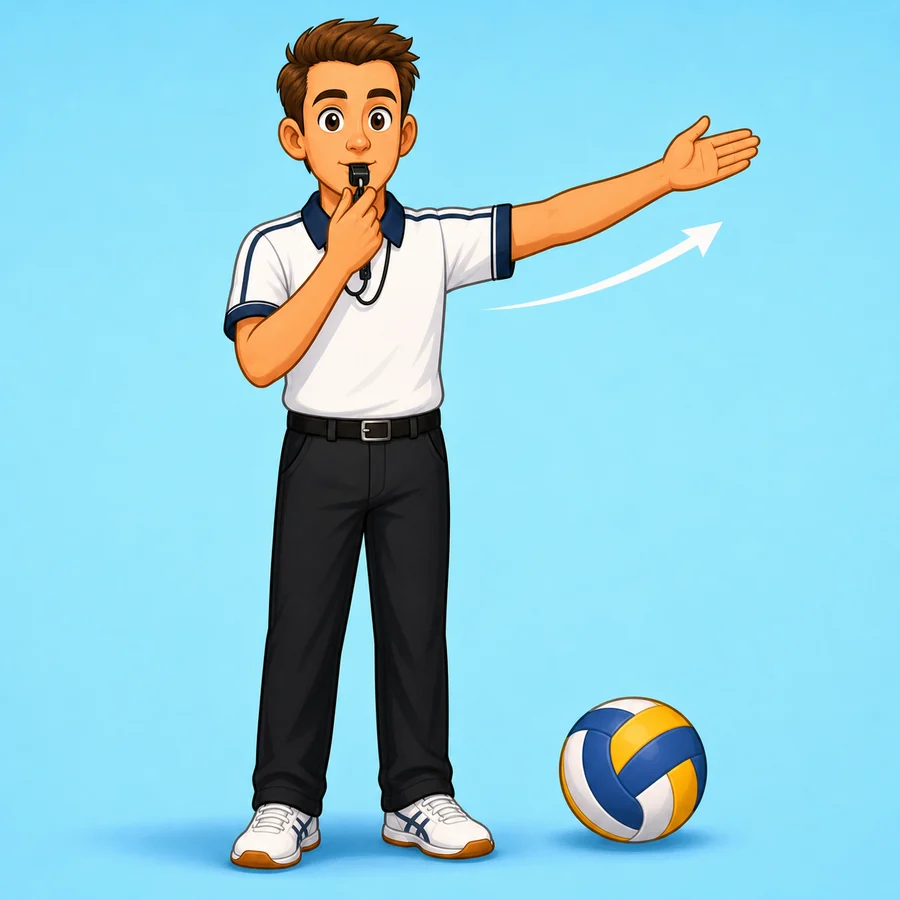
The referee allows the server to begin the serve.
When it happens: Before each serve once both teams are ready enough to play.
What parents should know: The server should wait for the whistle or authorization signal before serving.
Visual cue: Referee whistles and gestures with an arm to authorize service.
Ball In
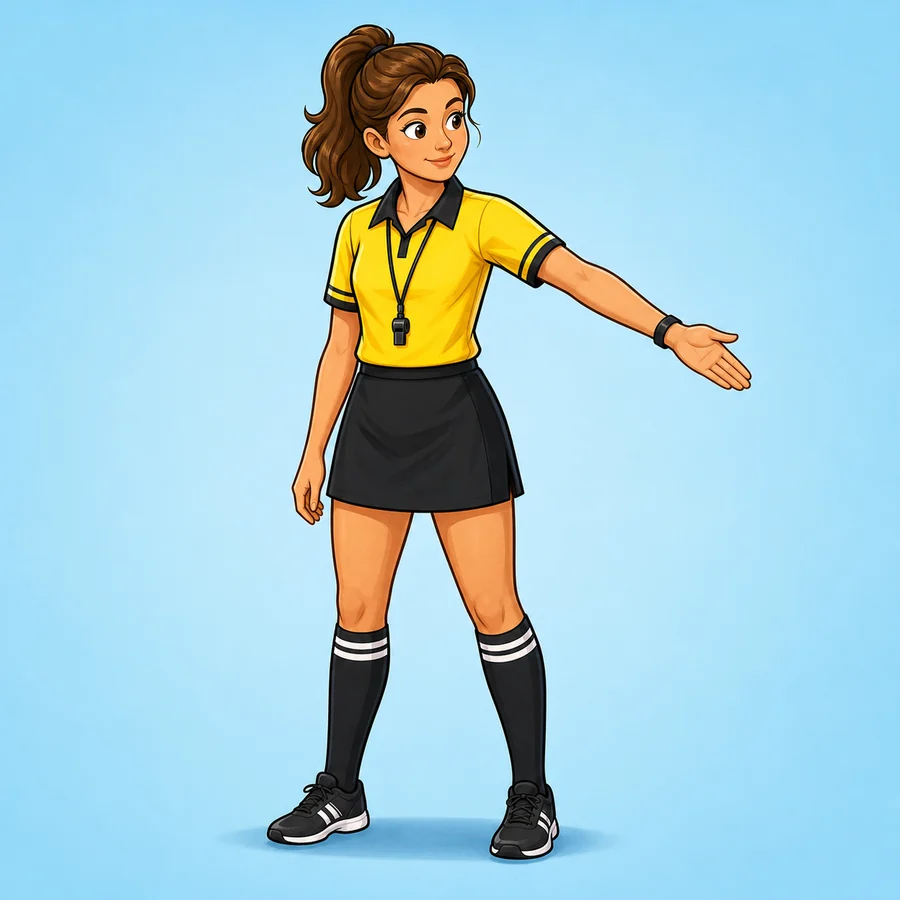
The ball landed inside the court or touched a boundary line.
When it happens: After a serve, attack, tip, or free ball lands on or inside the line.
What parents should know: A ball touching any part of the line is usually in, even if it looked close from the bleachers.
Visual cue: Official points down toward the court or indicates the ball landed in.
Ball Out
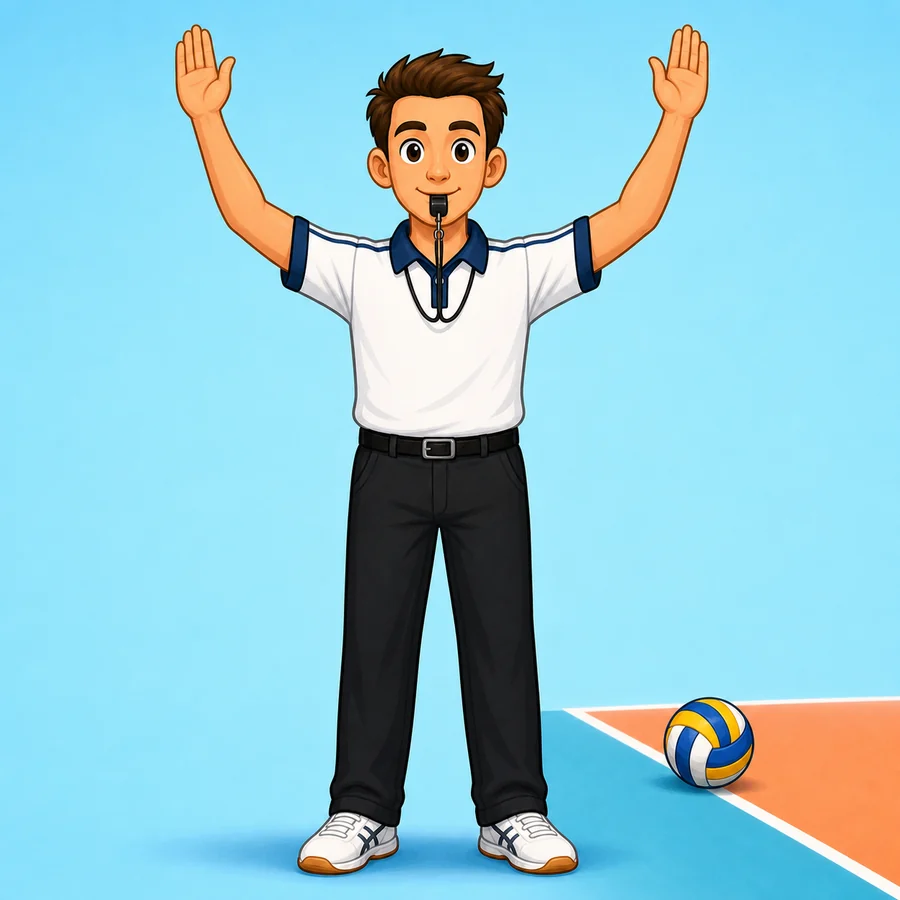
The ball landed outside the boundary line or contacted something out of play.
When it happens: After a ball lands beyond the lines or is played into an out-of-bounds area.
What parents should know: A ball completely outside the line is out. Angles from the stands can be misleading.
Visual cue: Official raises forearms or hands to show the ball is out.
Net Fault
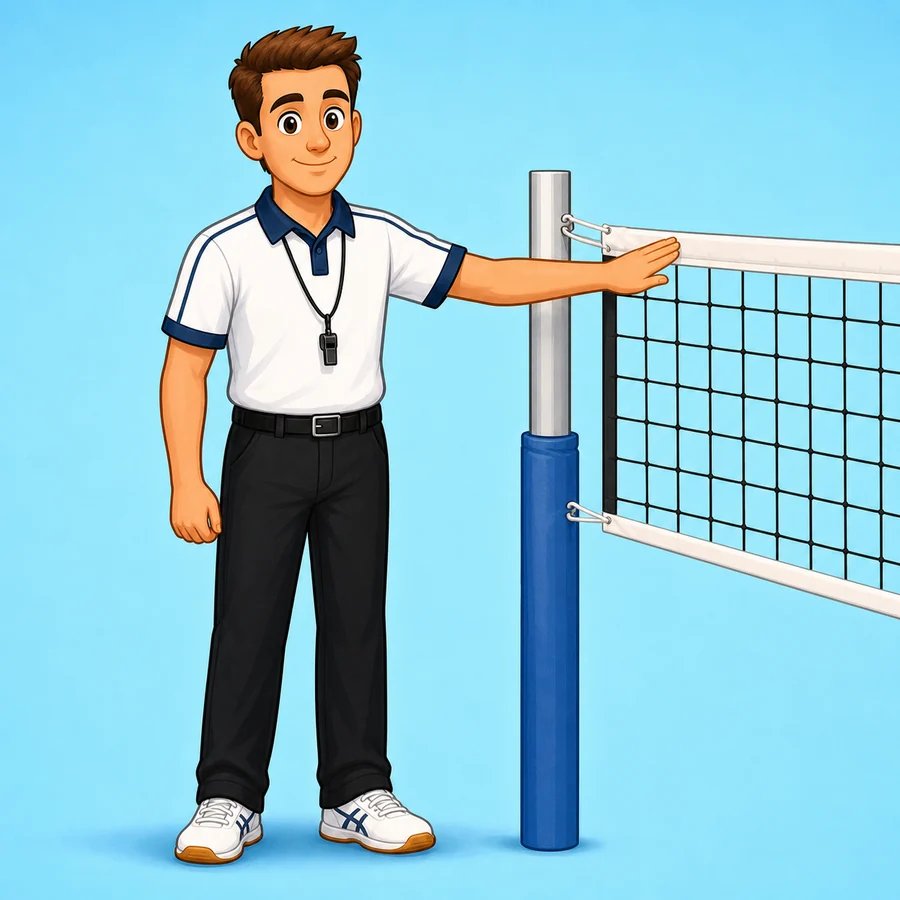
A player illegally contacted the net or interfered near the net during play.
When it happens: During an attack, block attempt, or scramble near the net.
What parents should know: Net calls can happen after exciting plays, so wait for the official before celebrating the point.
Visual cue: Referee touches or indicates the net area.
Double Contact
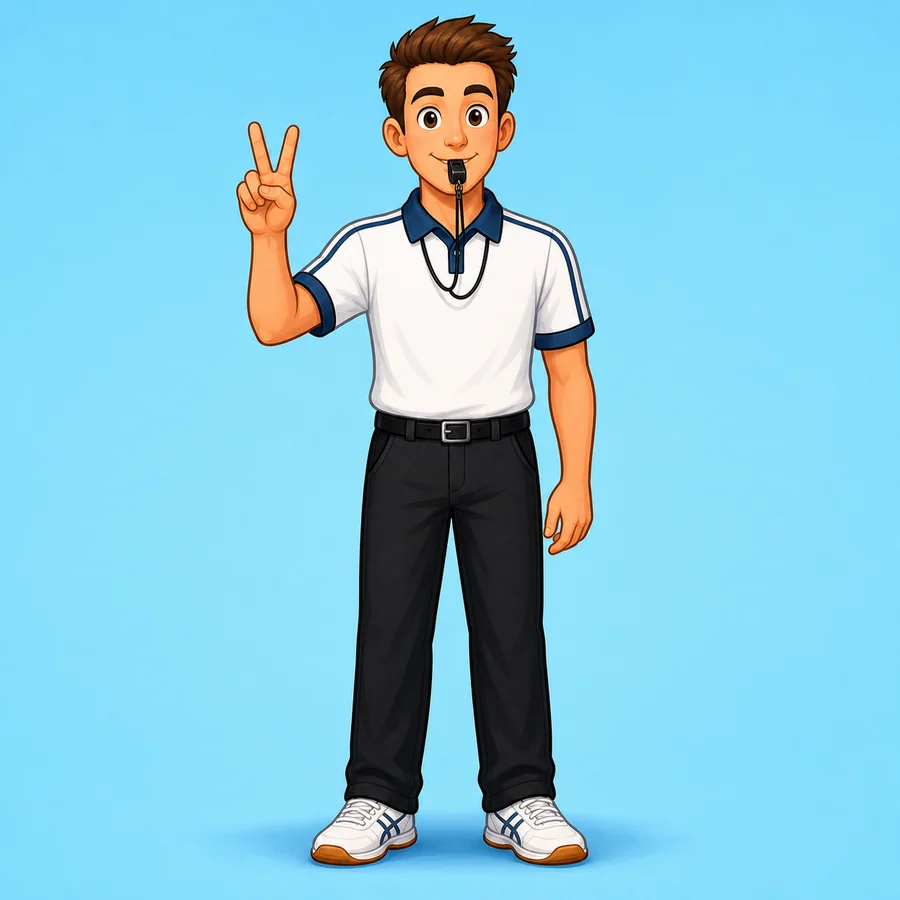
A player illegally contacted the ball twice or contacted it unevenly in a way the official calls.
When it happens: Often on hand sets, emergency saves, or awkward first touches.
What parents should know: This is common while players learn ball control. Different age groups may call it with different strictness.
Visual cue: Referee shows two fingers to indicate double contact.
Lift Or Carry
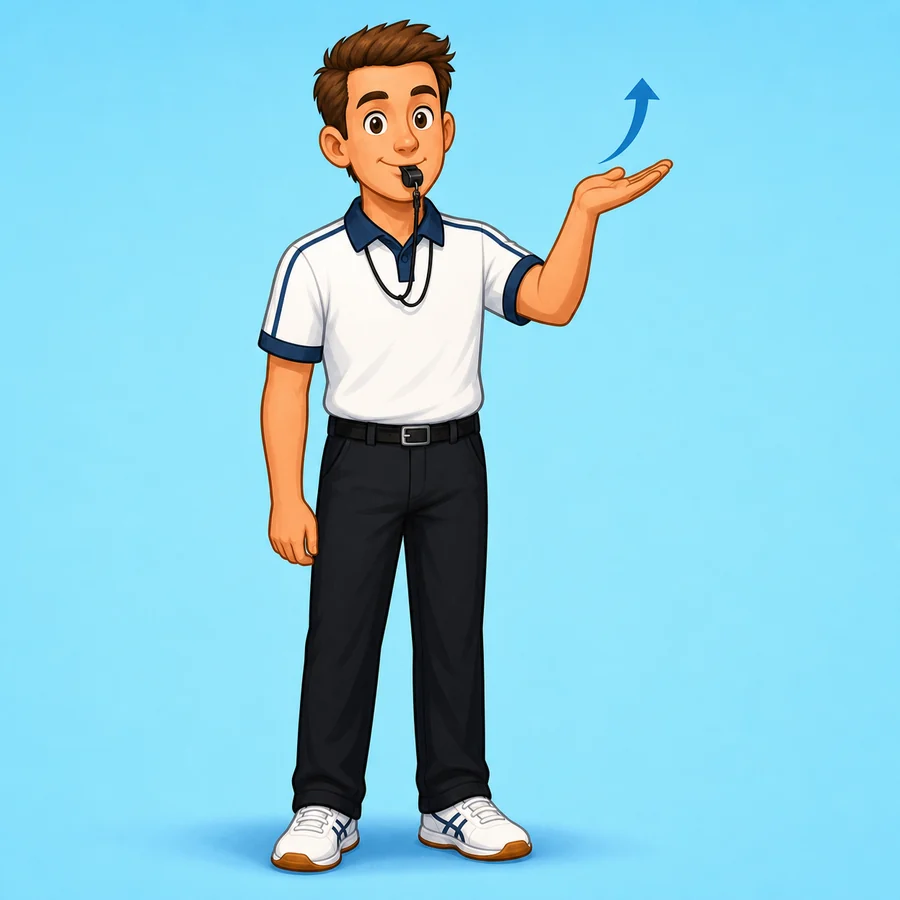
The ball was held, lifted, carried, or thrown instead of rebounding cleanly.
When it happens: When a contact lasts too long or the ball is pushed in a way officials judge illegal.
What parents should know: Parents may see a long pushing motion rather than a quick rebound.
Visual cue: Referee turns or lifts a hand upward to indicate a held or lifted ball.
Four Hits
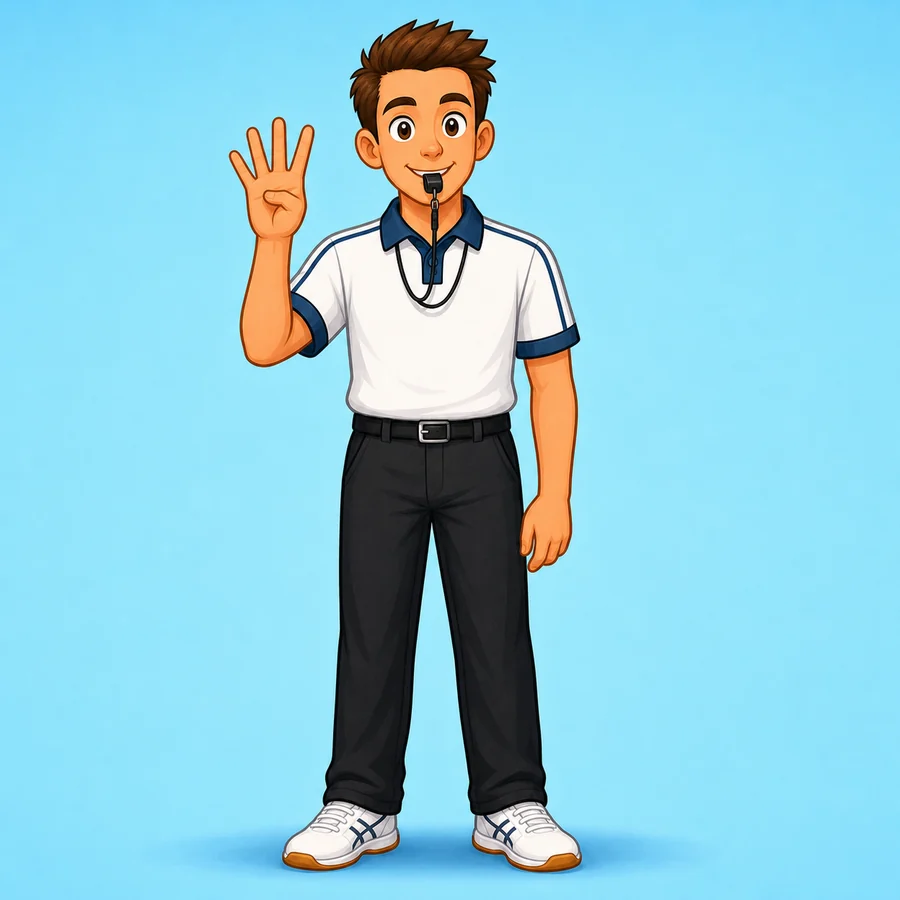
A team contacted the ball four times before sending it over the net.
When it happens: After the fourth team contact occurs on one side.
What parents should know: Count team contacts, not just the last player, when this call surprises you.
Visual cue: Referee shows four fingers.
Foot Fault
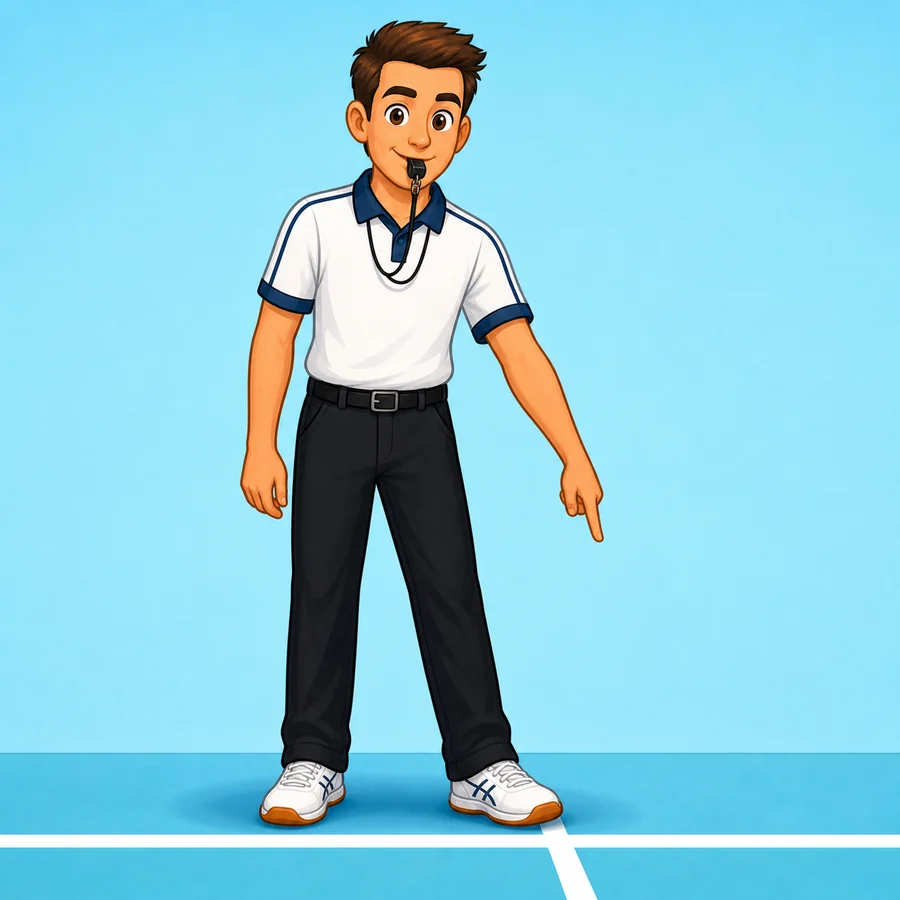
The server stepped on or over the service line too early or served from an illegal spot.
When it happens: During the serve.
What parents should know: Younger leagues may use modified service lines, so the legal line may not always be the back boundary.
Visual cue: Official points to the service line or foot area.
Timeout
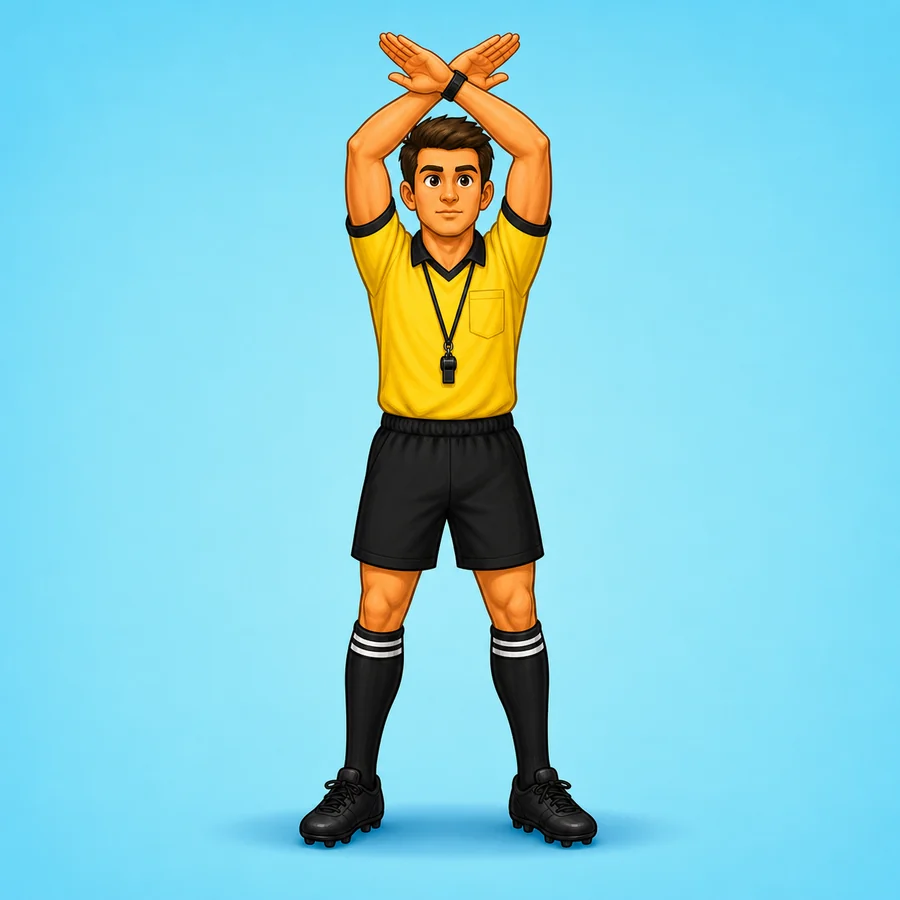
Play is paused for a team timeout or official stoppage.
When it happens: When a coach requests a timeout or officials need an administrative pause.
What parents should know: Timeouts help teams reset serving, serve receive, rotations, or momentum.
Visual cue: Official forms a T with both hands.
Substitution
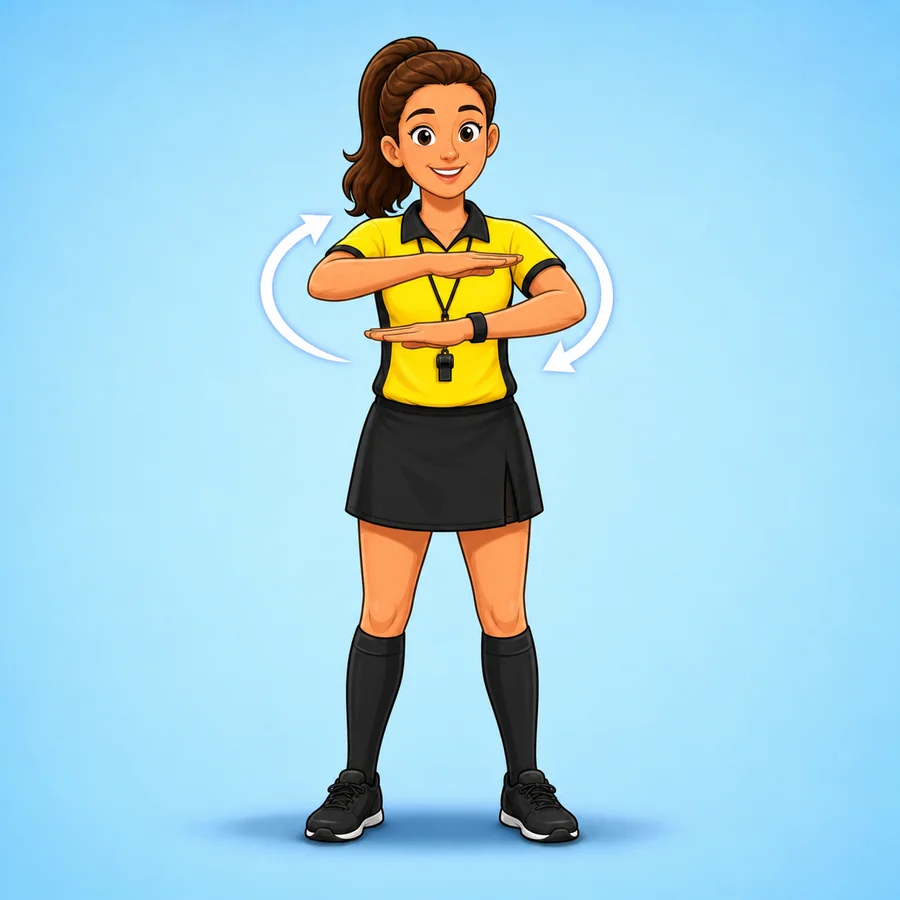
A player exchange has been requested or allowed.
When it happens: When a coach sends a substitute to the substitution zone or table area.
What parents should know: Substitution rules vary widely in youth volleyball, including continuous rotation formats.
Visual cue: Official signals for the substitute to enter or rotates forearms to indicate substitution.