Referee Signals explained in plain English for parents learning Lacrosse.
Goal
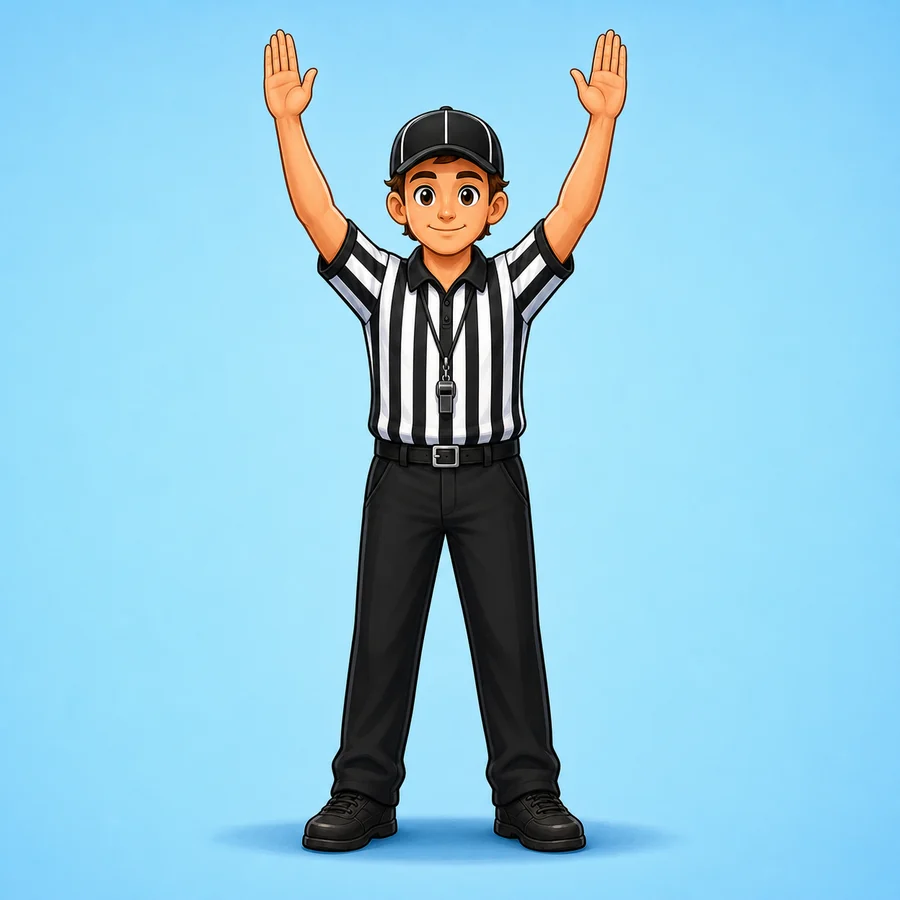
A legal goal has been awarded.
When it happens: After a shot legally crosses the goal line inside the goal frame.
What parents should know: If the official signals goal, play will usually restart according to the format's rules.
Visual cue: Official points or gestures toward the goal to award the score.
No Goal
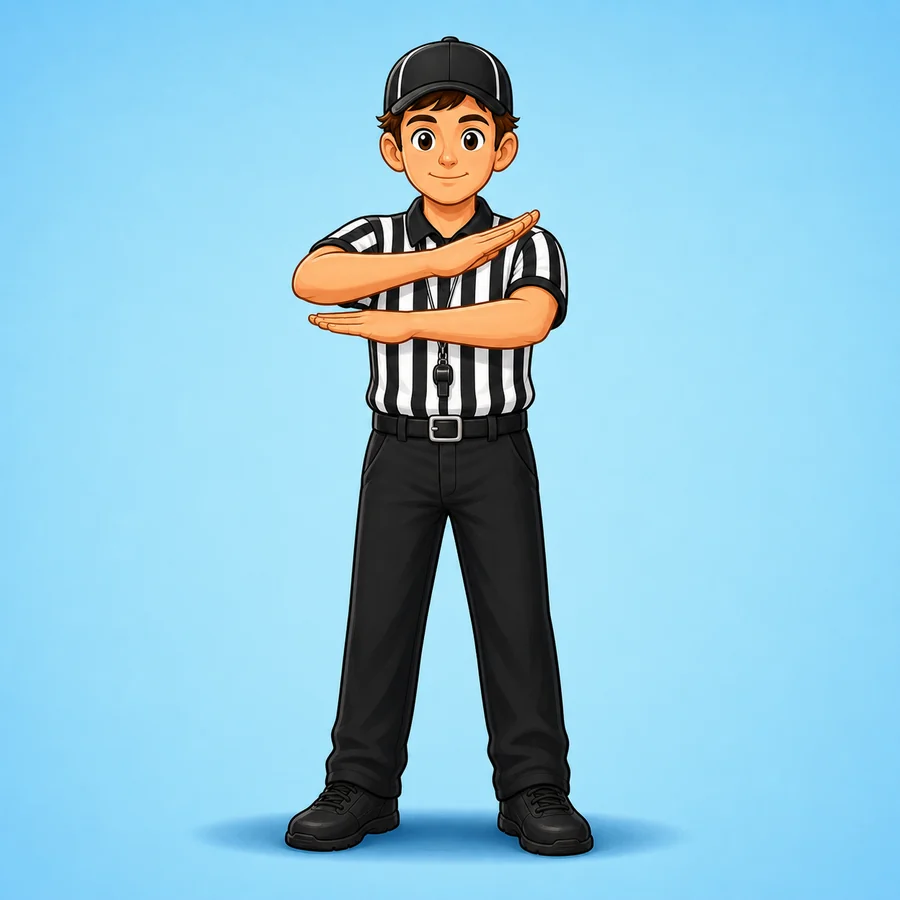
The shot does not count because of a violation, whistle, crease issue, or other rule reason.
When it happens: After the ball enters or appears to enter the goal but officials rule it invalid.
What parents should know: Look for the follow-up explanation, especially crease violation, whistle before the shot, or illegal contact.
Visual cue: Official waves arms or signals that the goal is washed out.
Slashing
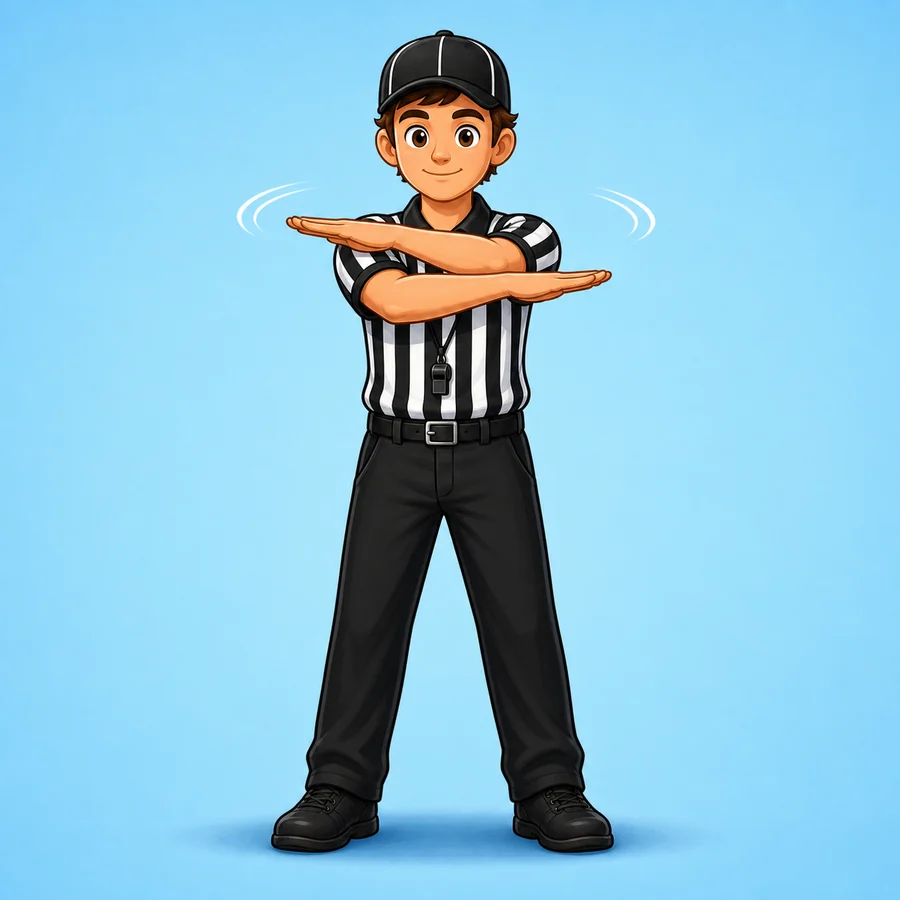
Illegal stick contact that is too forceful, uncontrolled, or in an illegal area.
When it happens: After a player swings or checks illegally with the stick.
What parents should know: This is a safety call and may create possession change or penalty time depending on the rule set.
Visual cue: Official chops one arm with the other hand or uses the local slashing motion.
Tripping
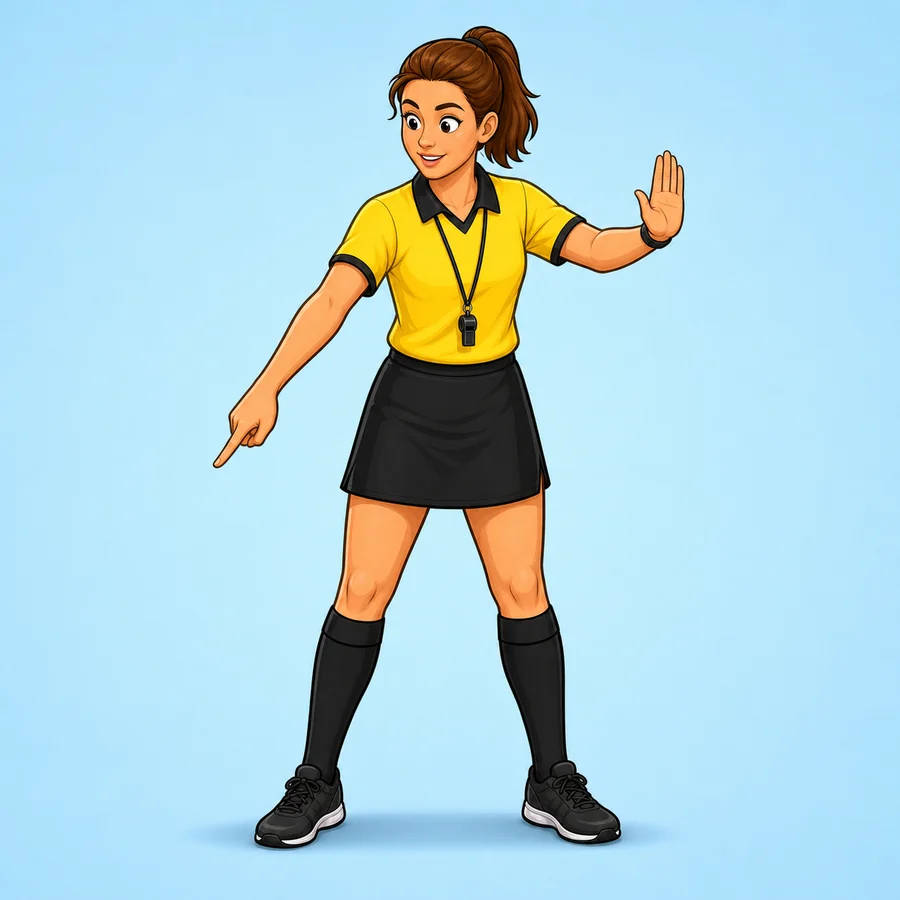
A player illegally caused an opponent to trip or fall.
When it happens: When a stick, leg, or body contact takes out an opponent's feet or balance.
What parents should know: Tripping can be called even when the ball is nearby if the contact is unsafe or illegal.
Visual cue: Official uses a leg or arm motion to indicate tripping.
Holding
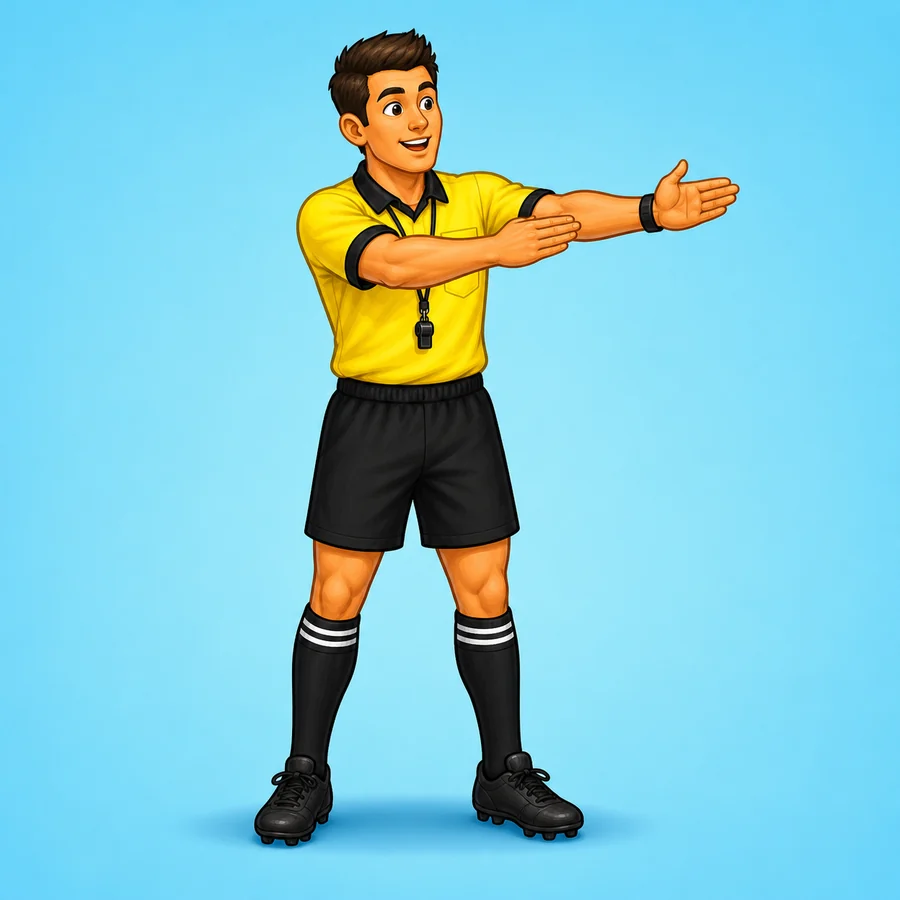
A player illegally restrained an opponent.
When it happens: When hands, arms, body, or stick hold an opponent outside legal defending rules.
What parents should know: Holding may look like a grab, pin, or extended restraint away from the ball.
Visual cue: Official grasps one wrist or uses the local hold signal.
Pushing
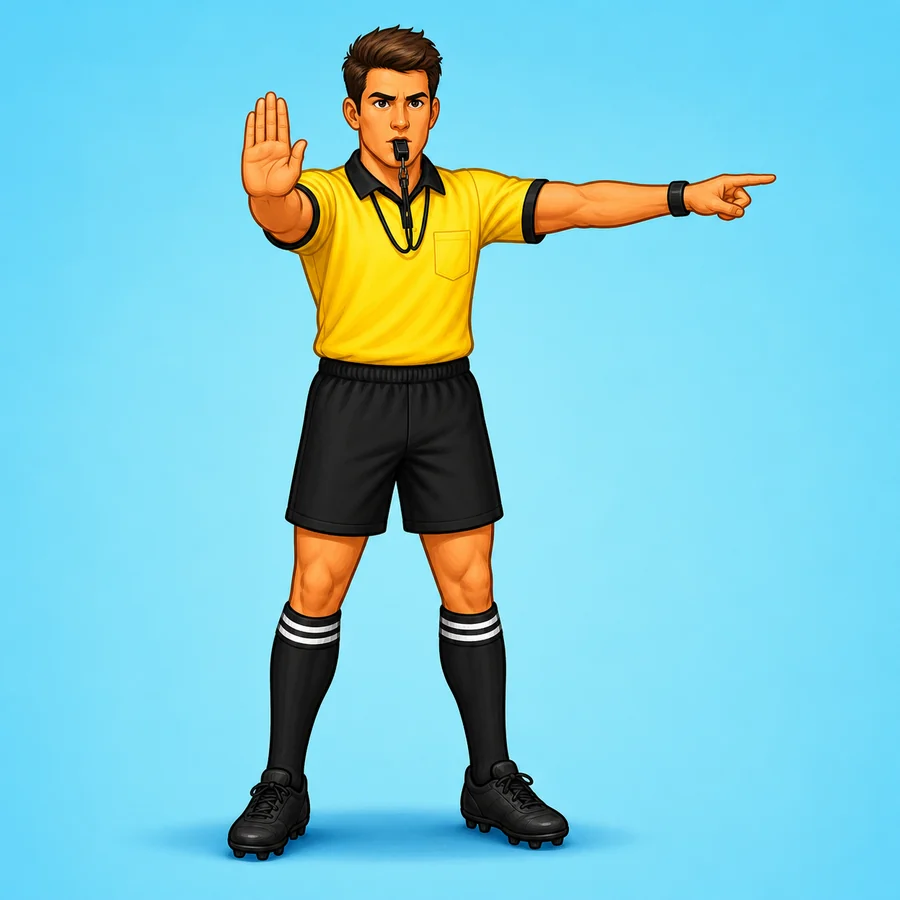
A player pushed an opponent illegally, often from behind or with extended hands.
When it happens: During rides, loose balls, dodges, or contact near the sideline or crease.
What parents should know: Some contact may be legal in some formats, but pushing from behind is commonly called.
Visual cue: Official extends both hands forward in a pushing motion.
Warding
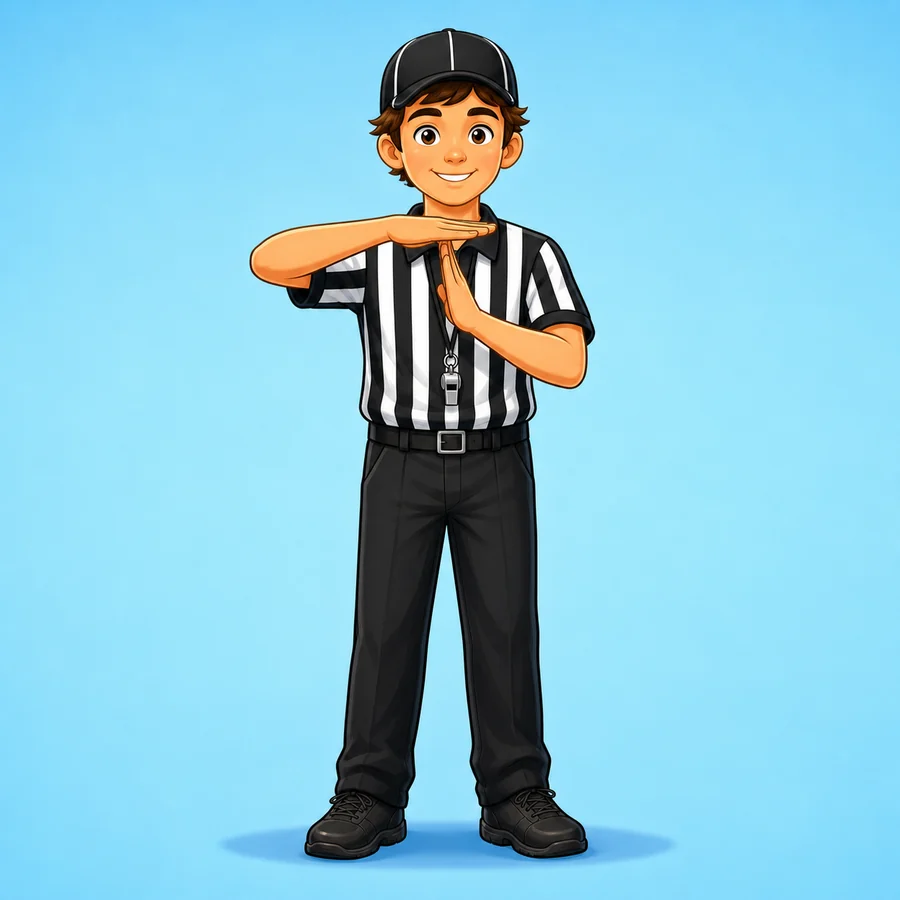
The ball carrier used the free hand or arm illegally to push off or control a defender.
When it happens: When a player with the ball shields by extending an arm into the defender.
What parents should know: This is usually a turnover or possession call against the ball carrier.
Visual cue: Official shows or sweeps an arm to indicate the illegal ward.
Offsides
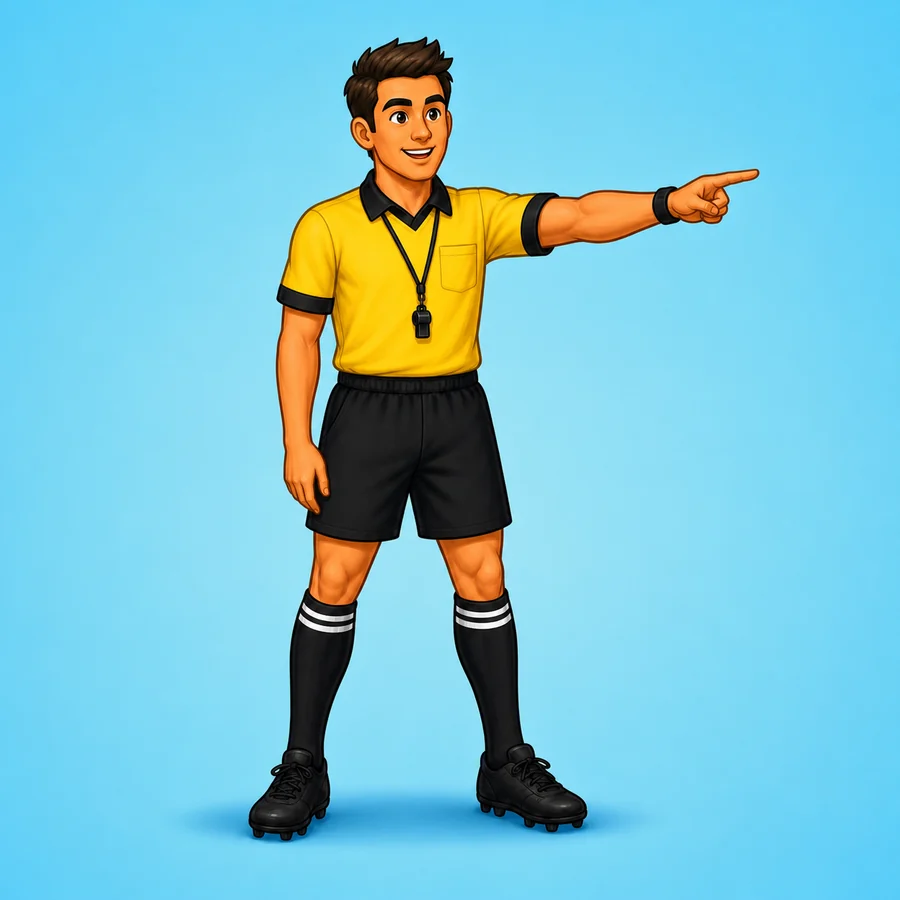
A team has too many players on one side of the midfield line for that format.
When it happens: When player counts across the midfield line are illegal.
What parents should know: The ball may be far from the violation, so this call can feel surprising from the sideline.
Visual cue: Official points or gestures toward the midfield line and signals the violation.
Crease Violation
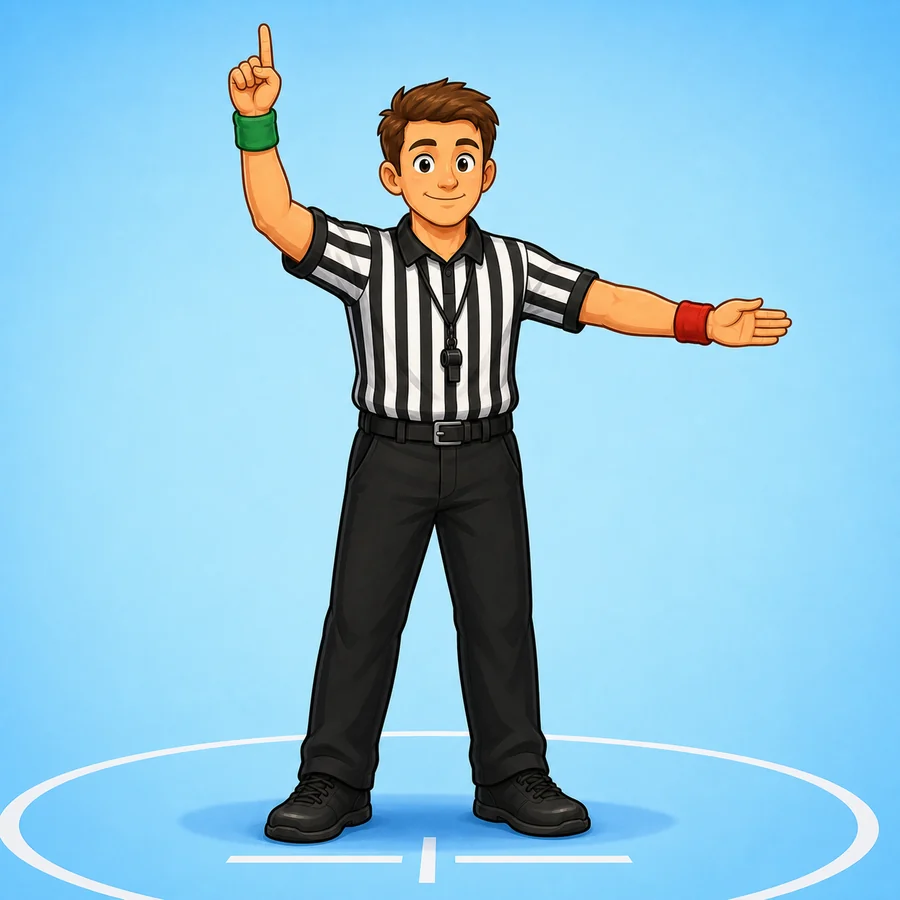
A player violated the special rules around the goal crease.
When it happens: When an attacker steps in the crease, interferes with the goalie, or another crease rule is broken.
What parents should know: Crease calls often explain why a shot that went in does not count.
Visual cue: Official points toward the crease area or indicates the goal circle.
Illegal Body Check Or Contact
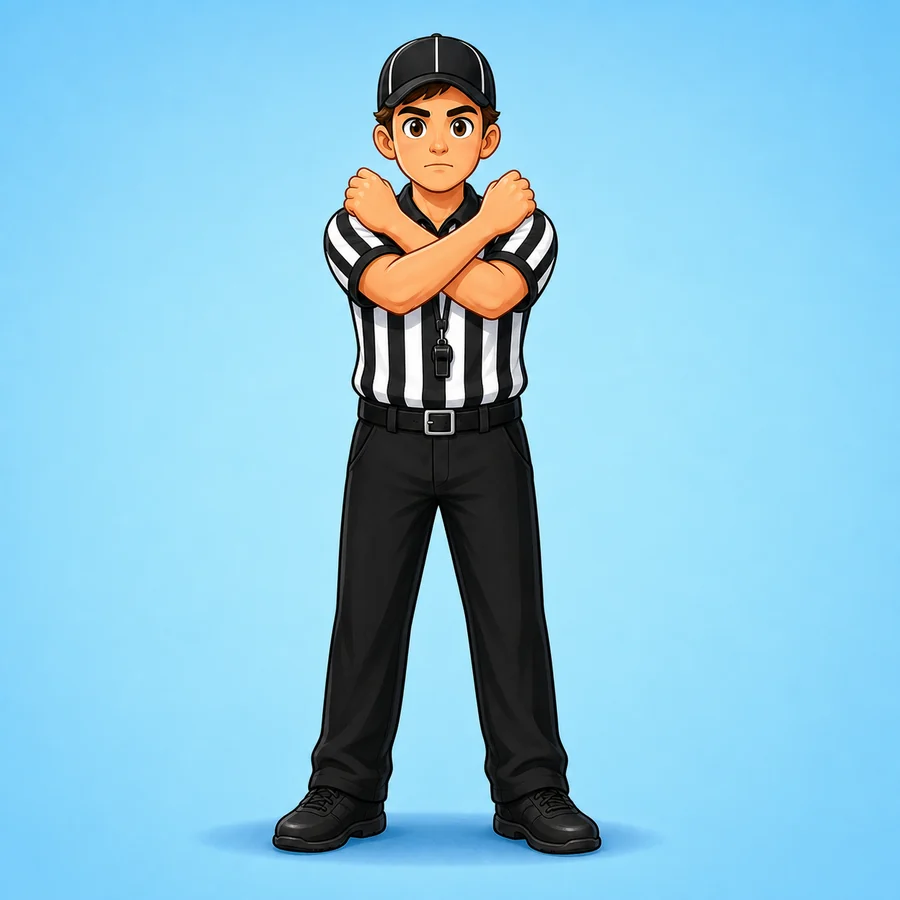
Body contact was not legal under the age, format, or contact level being played.
When it happens: When contact is too forceful, from an illegal direction, late, high, or not allowed in that division.
What parents should know: This is where boys, girls, box, field, and youth contact levels can differ sharply.
Visual cue: Official uses the local body-check or illegal-contact signal and may explain the penalty.
Timeout
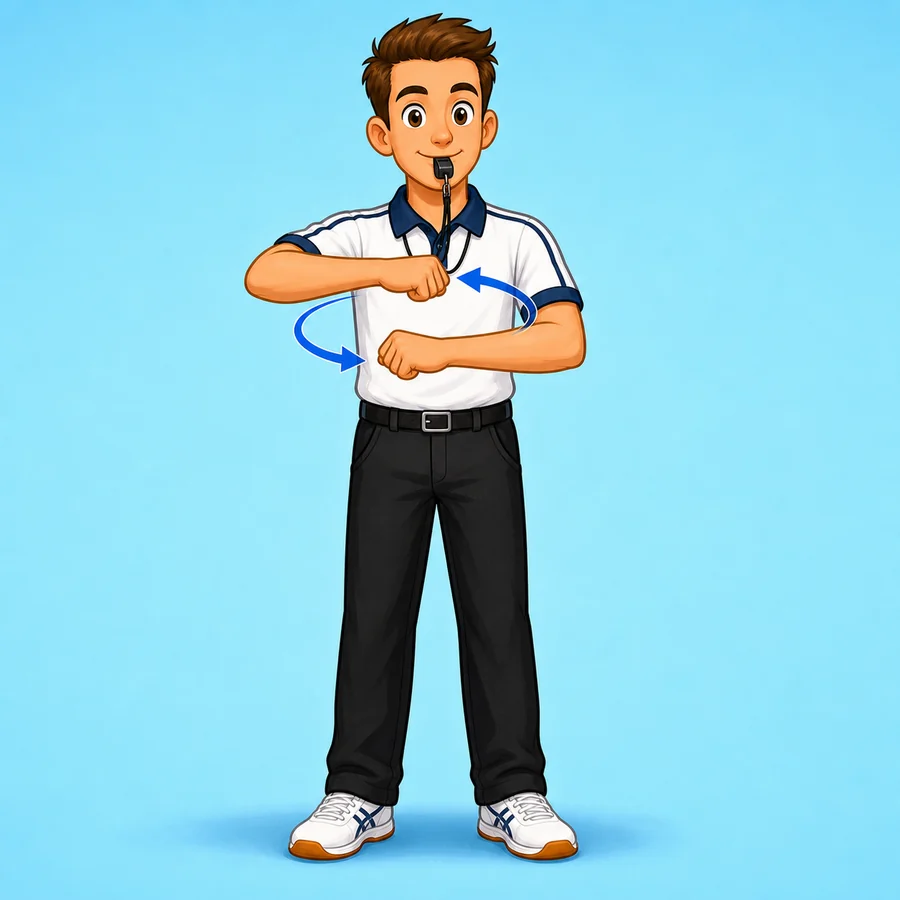
Play is paused for a team timeout or official timeout.
When it happens: When a coach requests a timeout or officials stop play administratively.
What parents should know: Timeouts can be used to settle substitutions, reset strategy, or handle equipment and rule issues.
Visual cue: Official forms a T or gives the local timeout signal.
Possession Or Direction
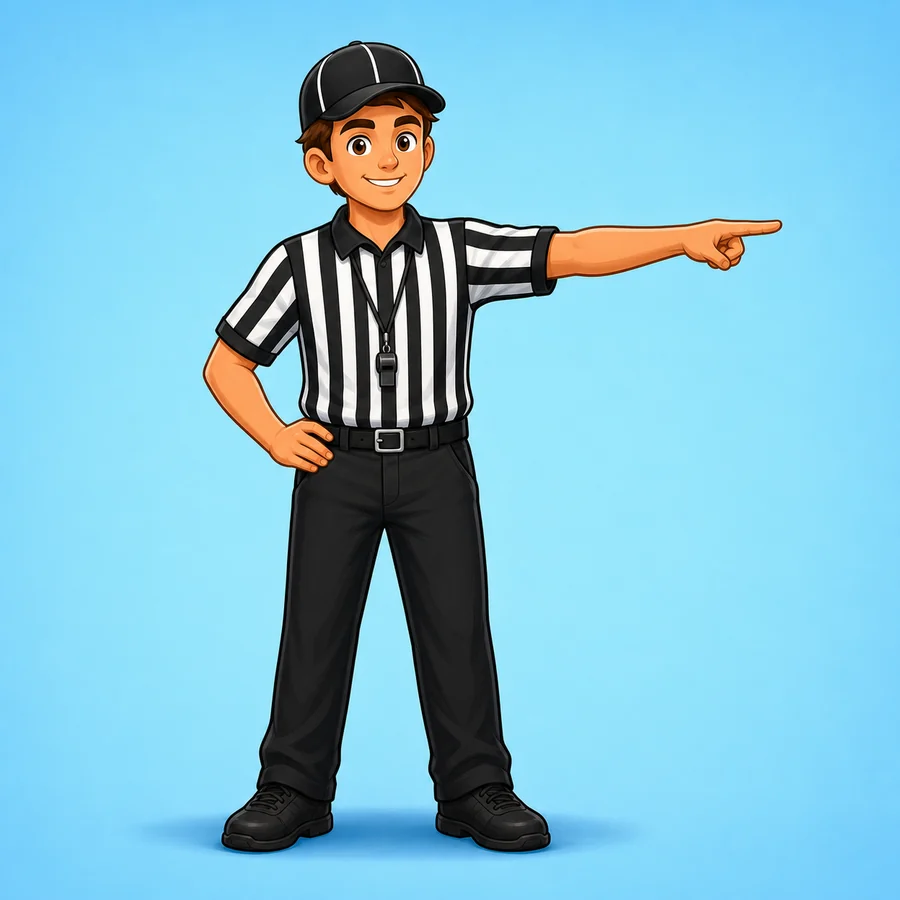
The official awards the ball to one team and shows which direction play will go.
When it happens: After an out-of-bounds play, foul, ground-ball scrum, save, or restart decision.
What parents should know: This is the first signal to look for after many whistles because it tells families who has the ball next.
Visual cue: Official points the arm toward the attacking direction for the team awarded possession.