Referee Signals explained in plain English for parents learning Football.
Touchdown
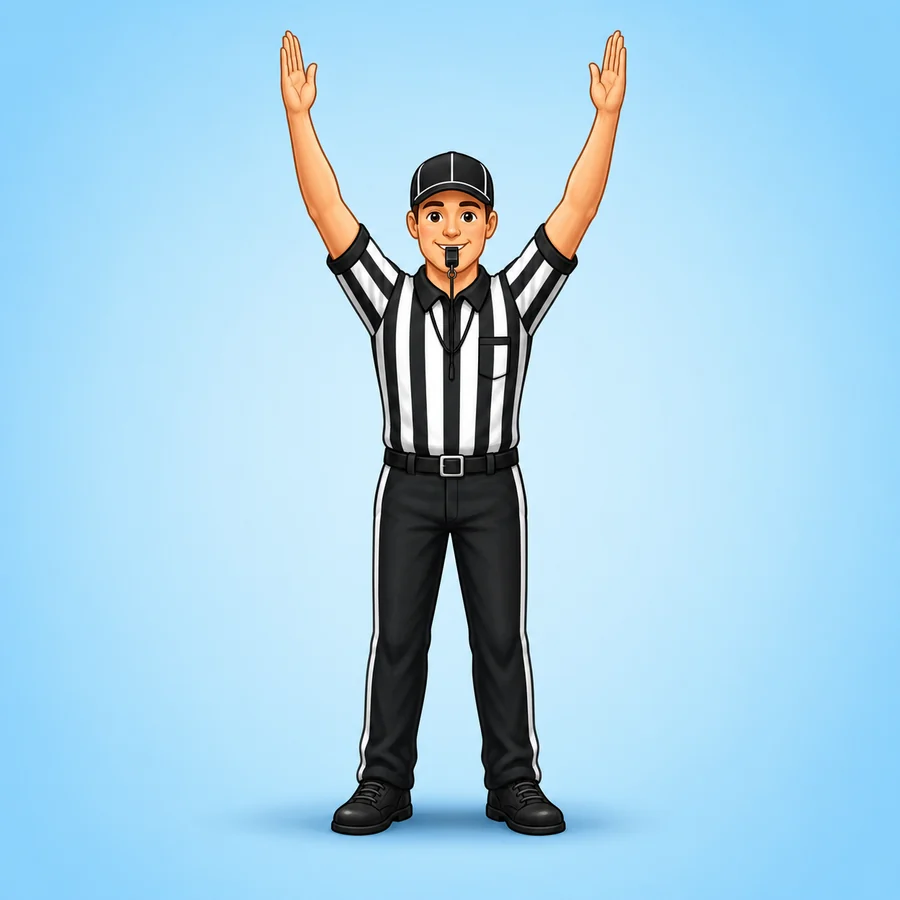
The offense scored by legally getting the ball into the end zone.
When it happens: After a run, catch, or other legal scoring play reaches the goal line or end zone.
What parents should know: A penalty can still change the result, so wait for the officials to confirm the play stands.
Visual cue: Official raises both arms straight overhead.
First Down
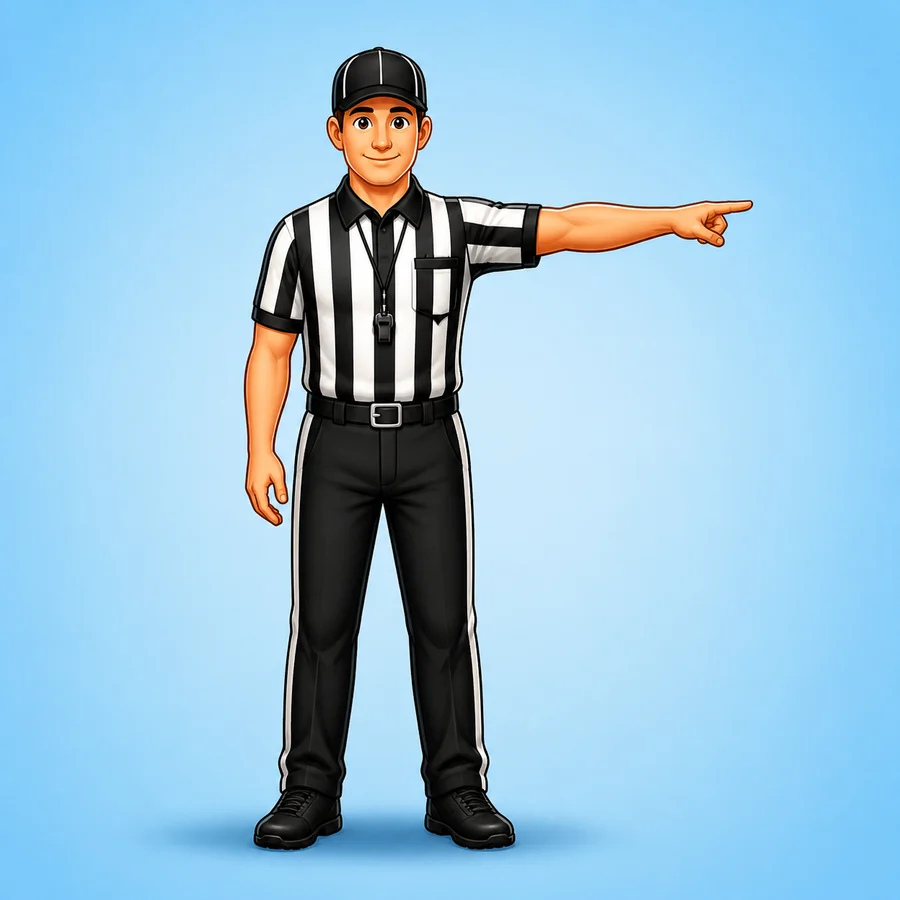
The offense reached the marker and gets a new set of downs.
When it happens: After a gain or penalty gives the offense enough yardage for a first down.
What parents should know: This signal explains why the down count resets even if the play did not score.
Visual cue: Official points one arm in the offense's attacking direction.
Holding
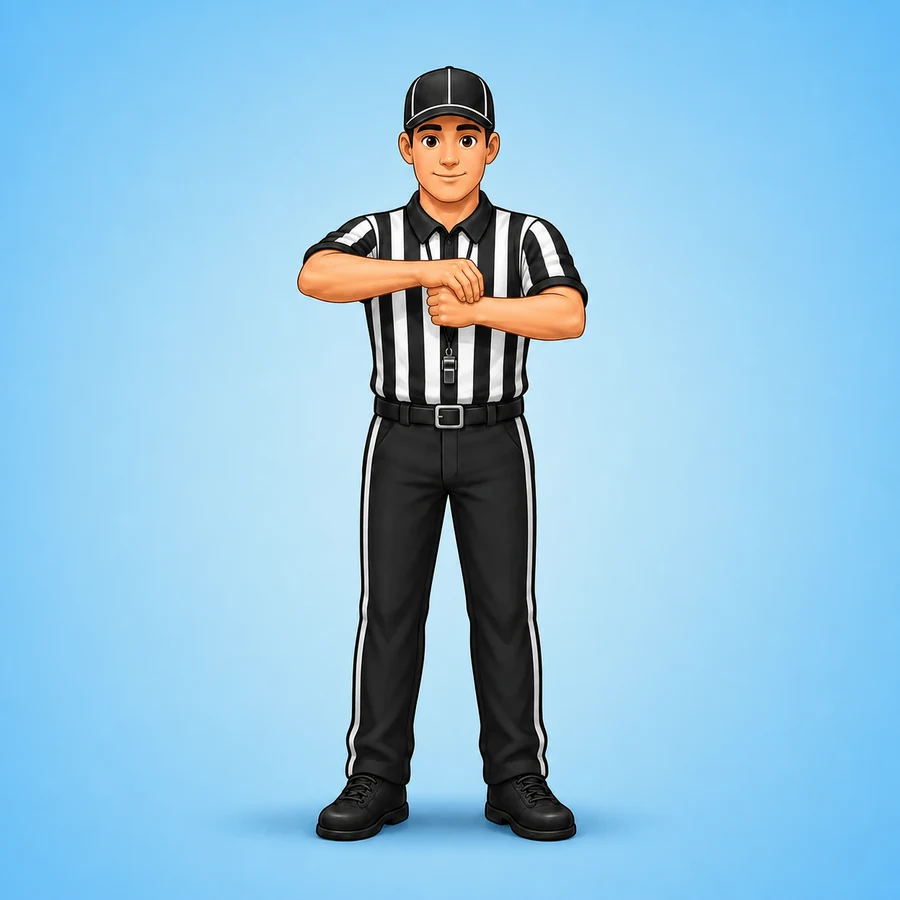
A player illegally restricted an opponent, often by grabbing or hooking with the hands or arms.
When it happens: During blocking, rushing, or coverage when a player gains unfair control.
What parents should know: Holding can happen on offense or defense. The enforcement depends on the league and play result.
Visual cue: Official grabs one wrist or forearm in front of the body.
False Start
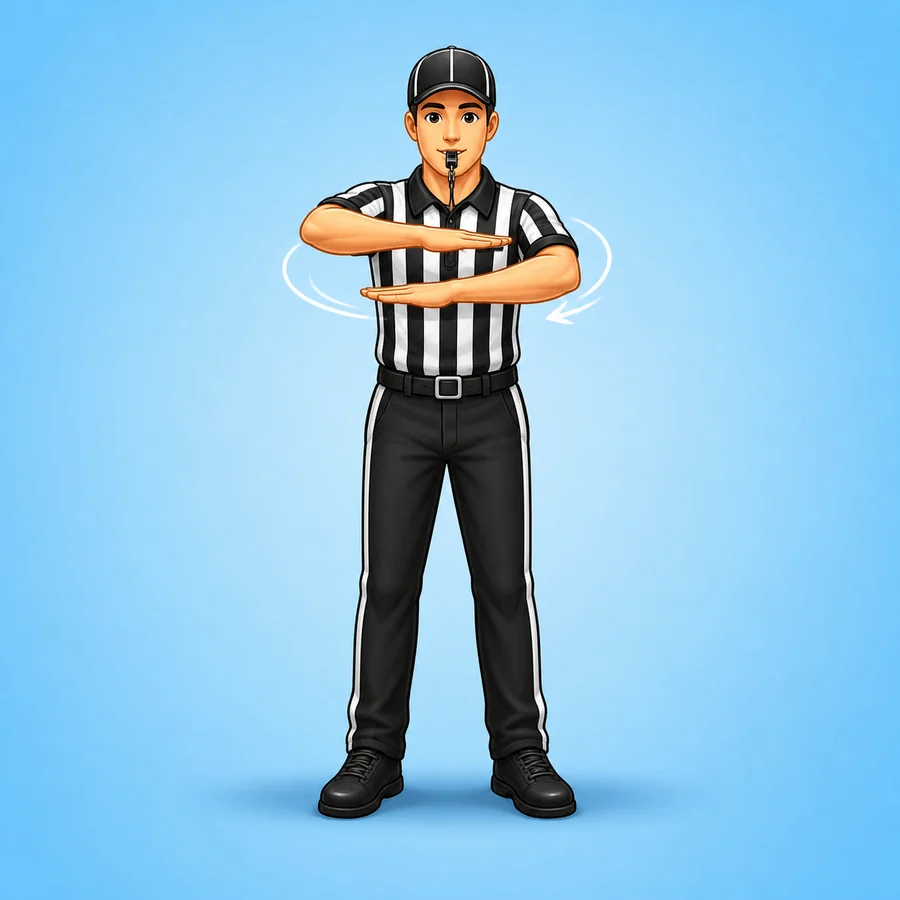
An offensive player moved early before the snap in a way that simulates the start of the play.
When it happens: Before the snap when players should be set.
What parents should know: This is common in youth games and usually stops the play immediately.
Visual cue: Official signals the offense and may roll arms or announce false start.
Offside Or Encroachment
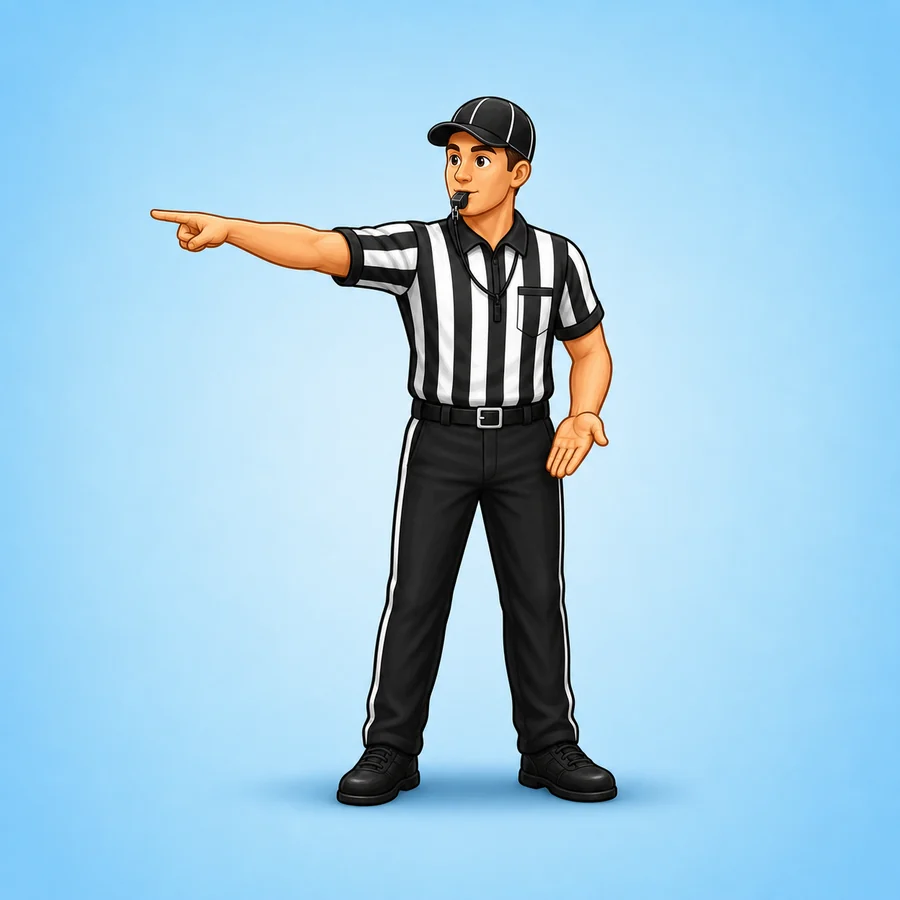
A player crossed into the neutral zone too early or made illegal pre-snap contact.
When it happens: Before or at the snap near the line of scrimmage.
What parents should know: Parents should watch the line of scrimmage. The call may be against either team depending on who moved early.
Visual cue: Official points toward the offending side and explains offside or encroachment.
Pass Interference
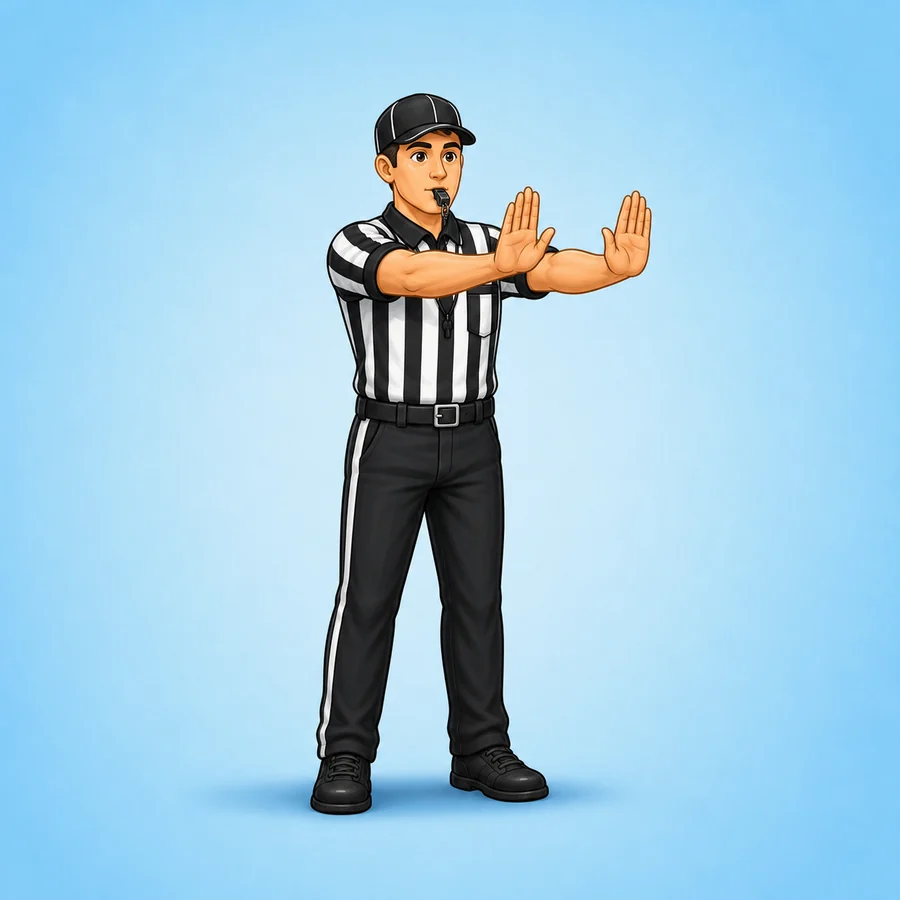
A player illegally prevented an opponent from having a fair chance to catch a pass.
When it happens: During a pass play before the ball arrives.
What parents should know: Some contact is incidental, but grabbing, pushing, or blocking a receiver can draw the call.
Visual cue: Official extends arms forward or signals toward the spot while announcing pass interference.
Delay Of Game
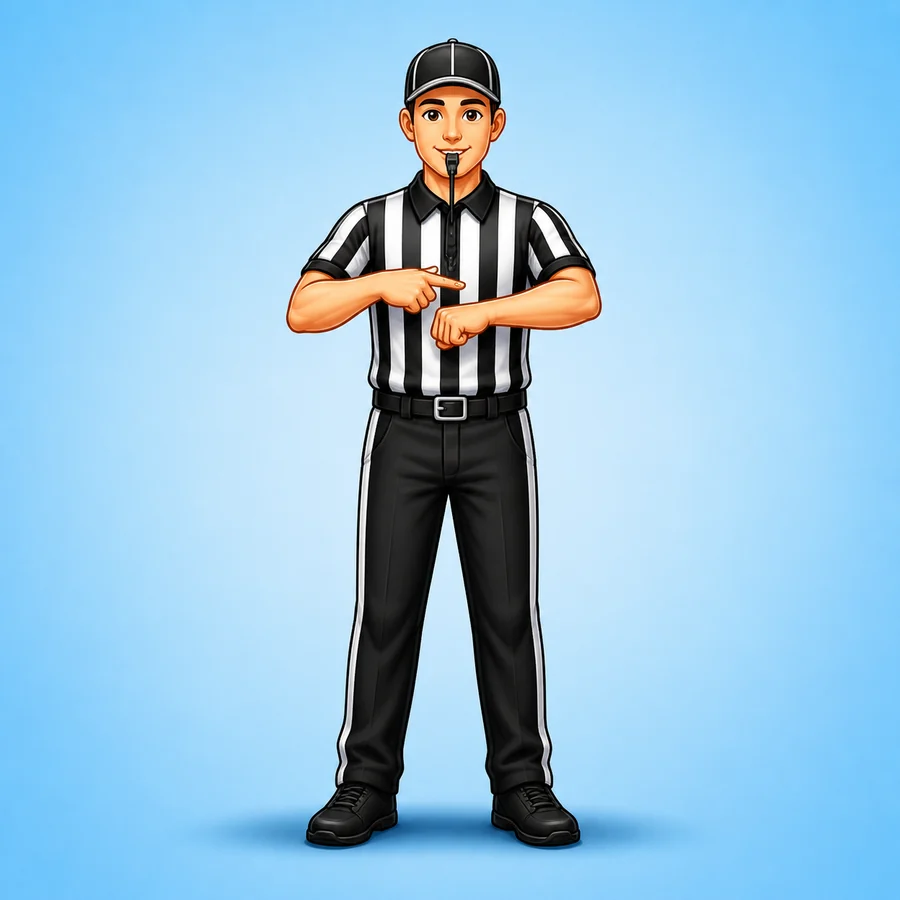
A team took too long to snap, reset, or resume play after the ready signal.
When it happens: Before the snap when the play clock or local timing rule expires.
What parents should know: Younger leagues may warn first, while older groups may enforce the penalty more strictly.
Visual cue: Official points to the wrist or announces delay of game.
Timeout
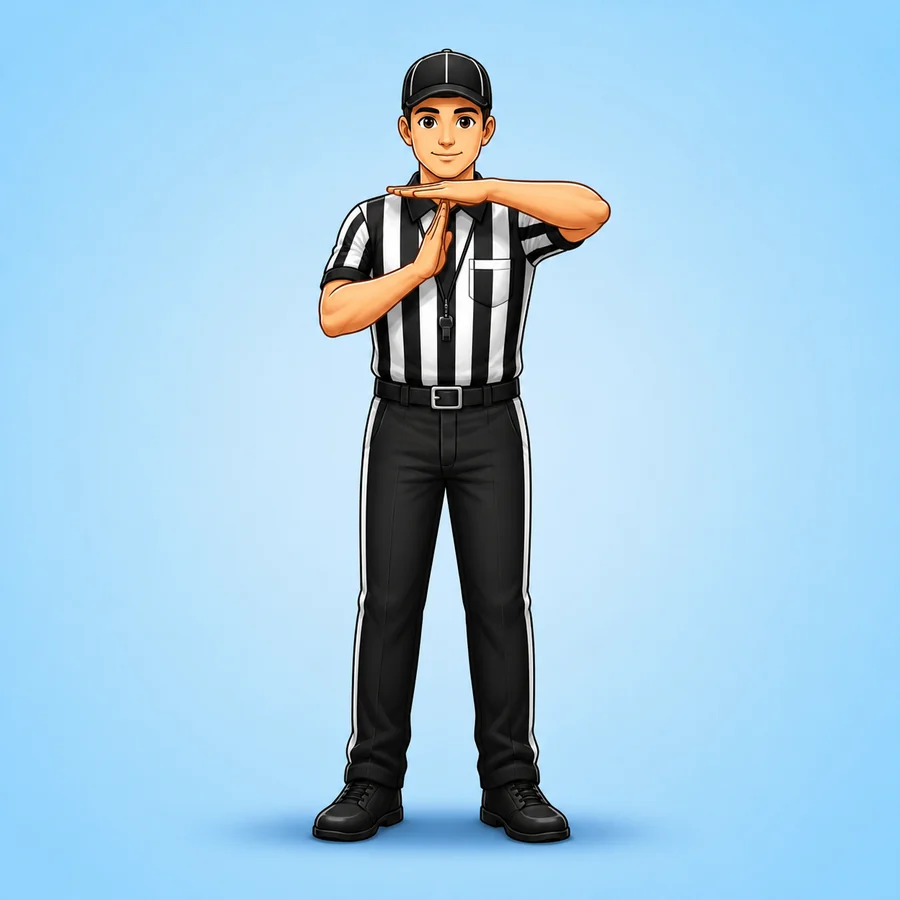
A team or official has stopped play for a short break or administrative reset.
When it happens: When a coach requests a timeout, officials need to confer, or a player needs attention.
What parents should know: Timeout rules and clock handling vary by league, but the practical cue is that play pauses.
Visual cue: Official forms a T with both hands.
Personal Foul
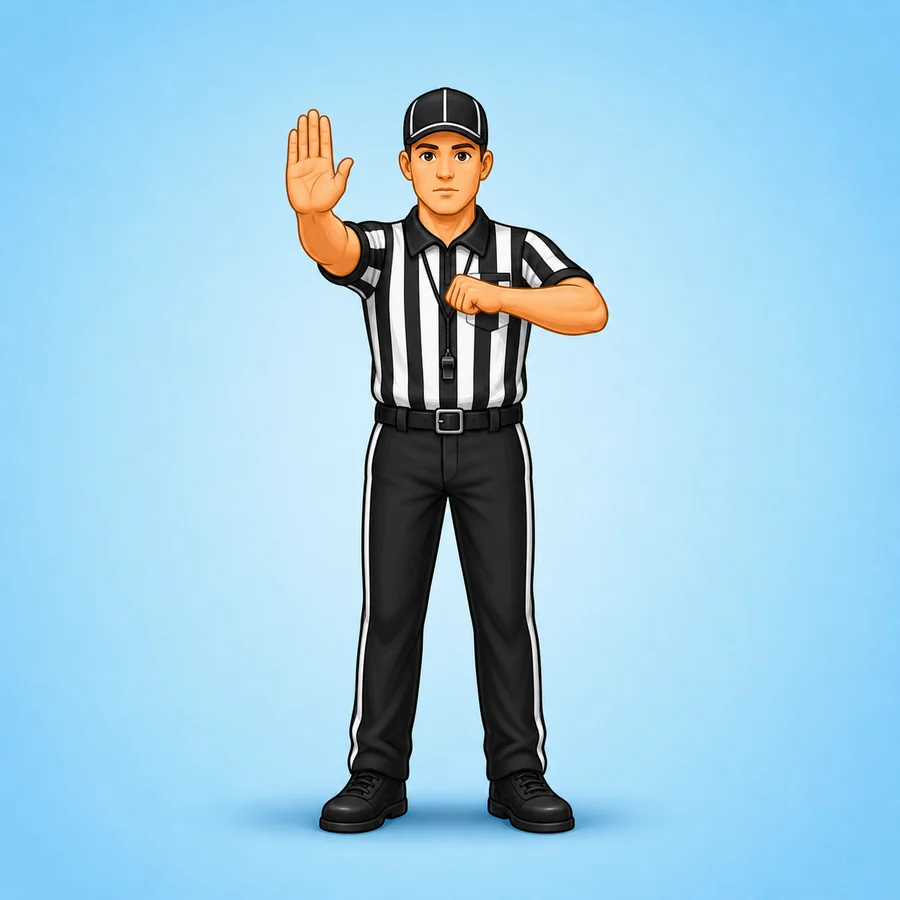
A player committed unsafe or excessive contact or another serious physical rule violation.
When it happens: After contact that officials judge outside the allowed football action for that league.
What parents should know: This is a safety-focused call. Let coaches address technique and behavior with the player.
Visual cue: Official signals the foul and announces personal foul, often with a strong verbal explanation.
Unsportsmanlike Conduct
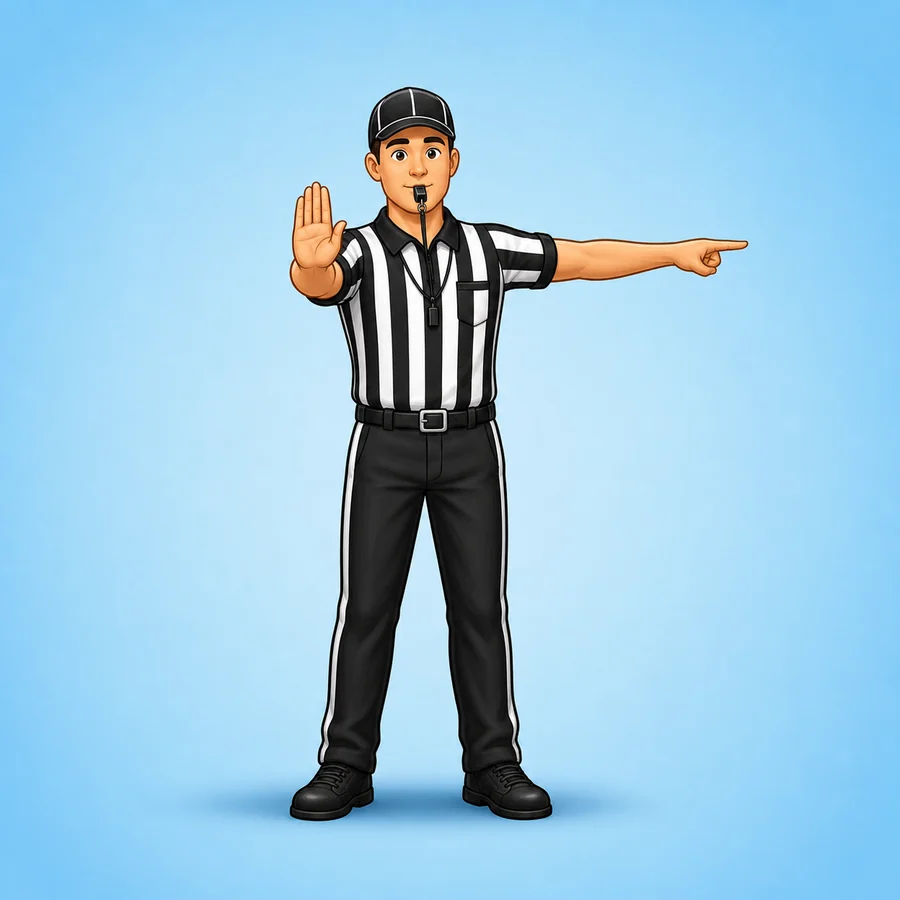
A player, coach, or sideline behavior crossed the line for respectful youth play.
When it happens: After taunting, arguing, disrespectful conduct, or unsafe celebration.
What parents should know: This call is about behavior, not normal excitement. Parents can help by staying calm.
Visual cue: Official identifies the team or sideline and announces unsportsmanlike conduct.
Penalty Flag Thrown
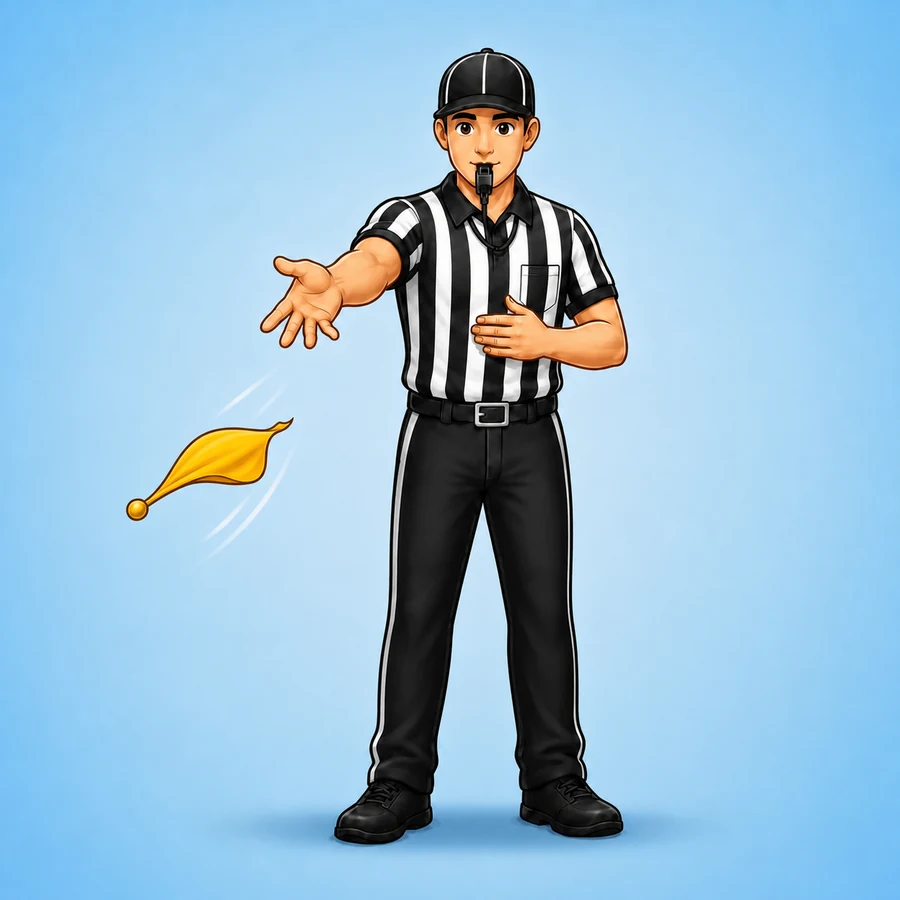
An official saw a possible violation and marked it for enforcement after the play or immediately if needed.
When it happens: During or after a play involving movement, contact, timing, or behavior rules.
What parents should know: A flag does not always mean the play is dead. Wait for the official's explanation.
Visual cue: Official throws or drops a small flag near the spot of the foul.
Turnover Or Change Of Possession
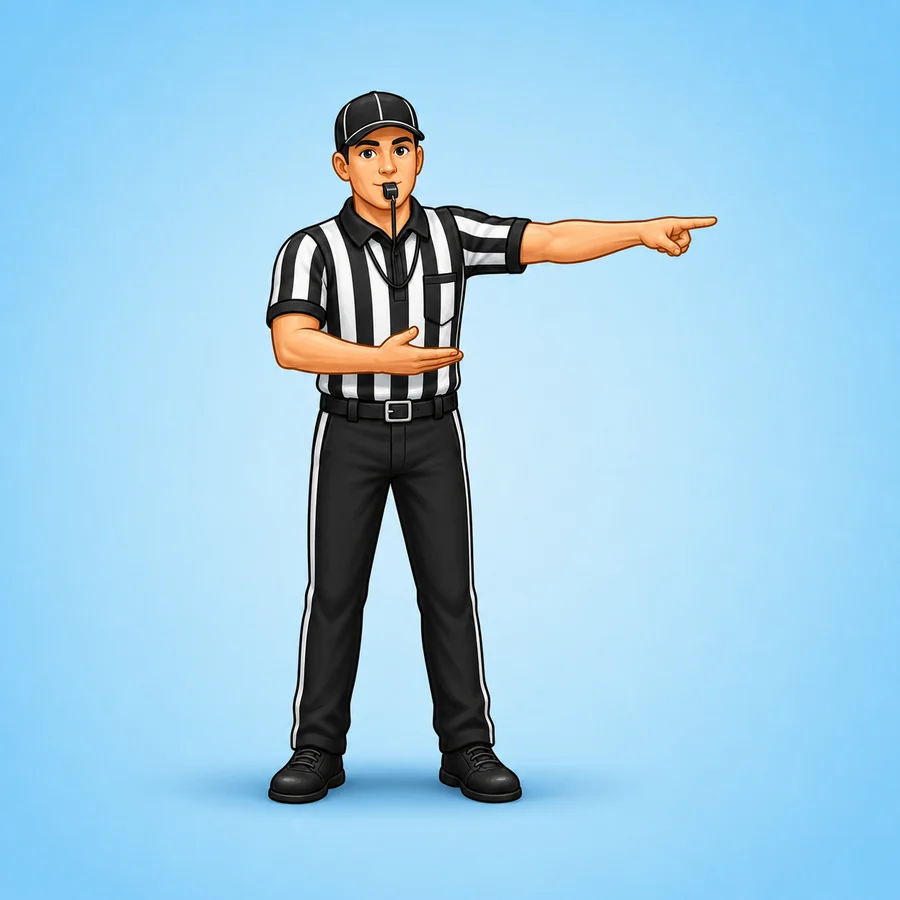
The other team will get the ball after an interception, fumble recovery, failed final down, or other turnover.
When it happens: After a possession-changing play or enforcement decision.
What parents should know: The teams switching sides is the clue. Some youth formats limit returns or use fixed restart spots.
Visual cue: Official points in the new offense's direction and spots the ball.