Umpire Signals explained in plain English for parents learning Cricket.
Out
The batter has been dismissed under the local rule.
When it happens: After a catch, bowled wicket, run out, stumping, LBW where used, or another legal dismissal.
What parents should know: Wait for the umpire's decision. Players may appeal, but the signal confirms the call.
Visual cue: Umpire raises one index finger above the head.
Not Out
The batter is not dismissed on that appeal or play.
When it happens: After an appeal when the umpire decides the batter is safe or not out.
What parents should know: Not out does not always mean nothing happened; it means the dismissal was not awarded.
Visual cue: Umpire clearly shakes the head or extends arms in a safe-style gesture depending on local practice.
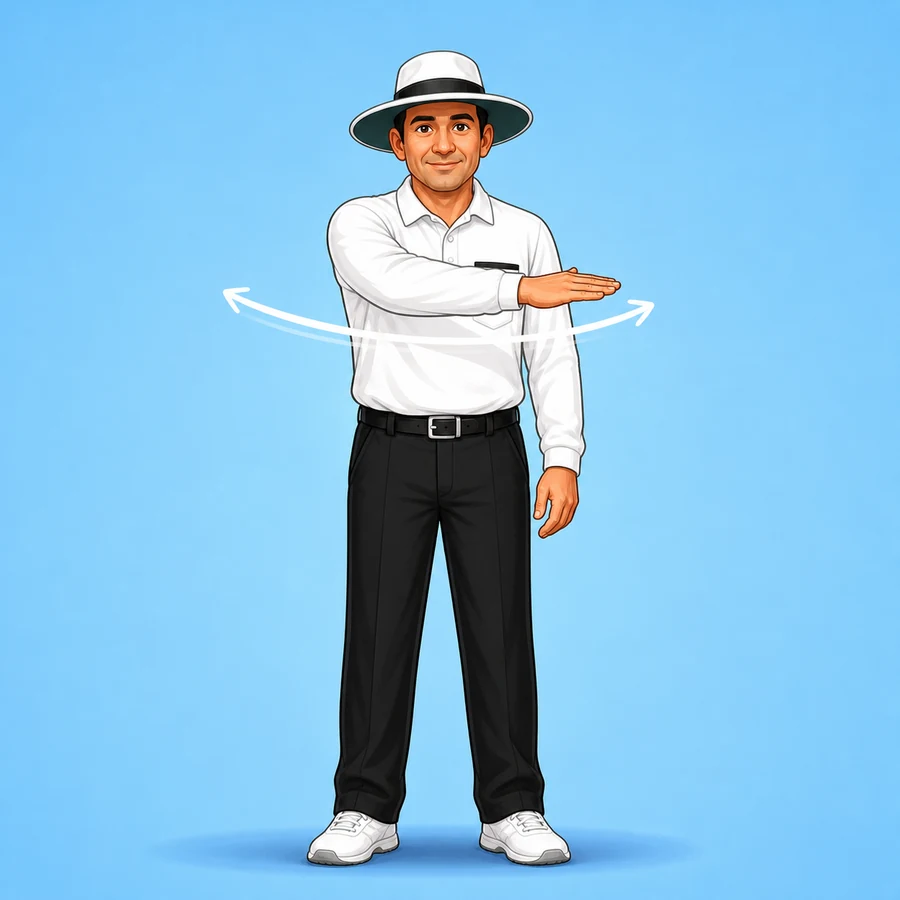
Four
The batting side is awarded four runs for a boundary after the ball reaches the boundary having touched the ground.
When it happens: When a hit or deflection reaches the boundary under the scoring rule.
What parents should know: Temporary youth boundaries may be cones or shorter ropes, so watch the umpire if the ball is near the line.
Visual cue: Umpire waves an arm back and forth across the body.
Six
The batting side is awarded six runs for a ball clearing the boundary on the full.
When it happens: When the ball goes over the boundary without touching the ground inside first.
What parents should know: On small youth fields, sixes depend on the local boundary and safety setup.
Visual cue: Umpire raises both arms above the head.
Wide
The delivery was too far from the batter to reasonably hit under the local rule.
When it happens: After a delivery outside the allowed hitting area.
What parents should know: Wide calls add extras and usually mean the ball does not count as one of the legal balls in the over, unless local youth rules simplify this.
Visual cue: Umpire extends both arms horizontally.
No Ball
The delivery was illegal under the local bowling or safety rule.
When it happens: After overstepping, unsafe height, an illegal action, too many bounces, or another format-specific issue.
What parents should know: No-ball details vary a lot in youth cricket. Listen for coach or umpire explanations before correcting a player.
Visual cue: Umpire extends one arm horizontally.
Bye
Runs are scored without the batter hitting the ball or it touching the batter's body.
When it happens: When the ball passes the batter and wicketkeeper and the batters complete runs, if byes are counted in that format.
What parents should know: Some beginner formats may limit byes to keep scoring simple.
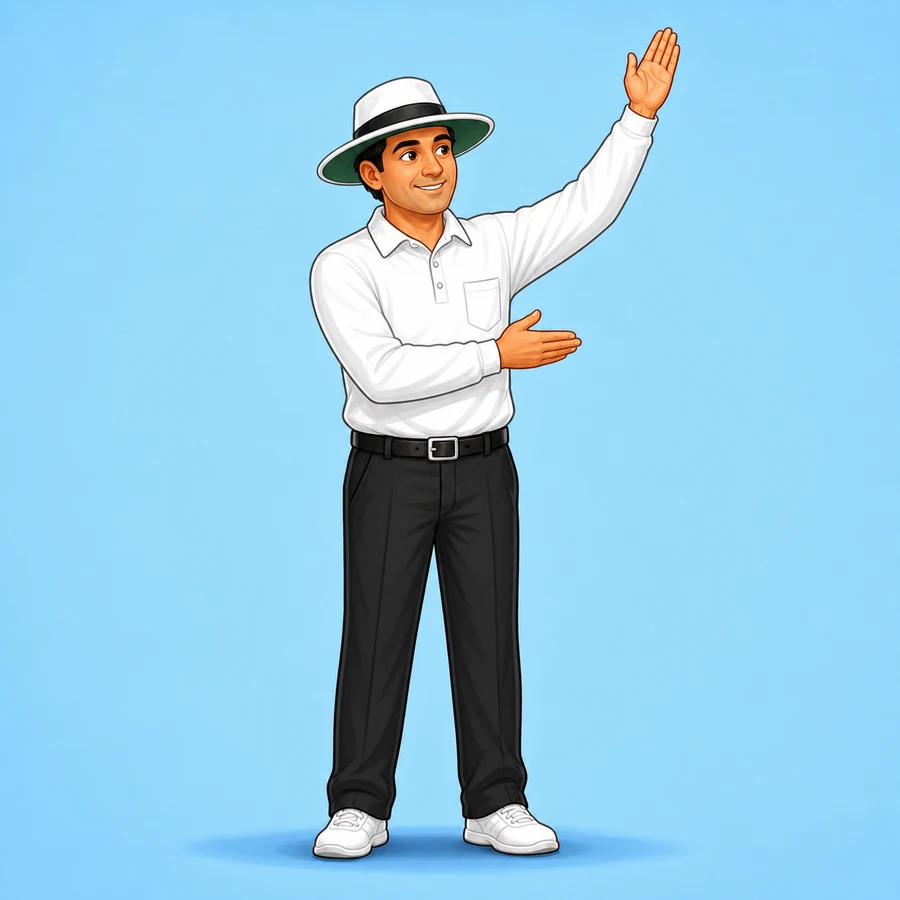
Visual cue: Umpire raises one open hand above the head.
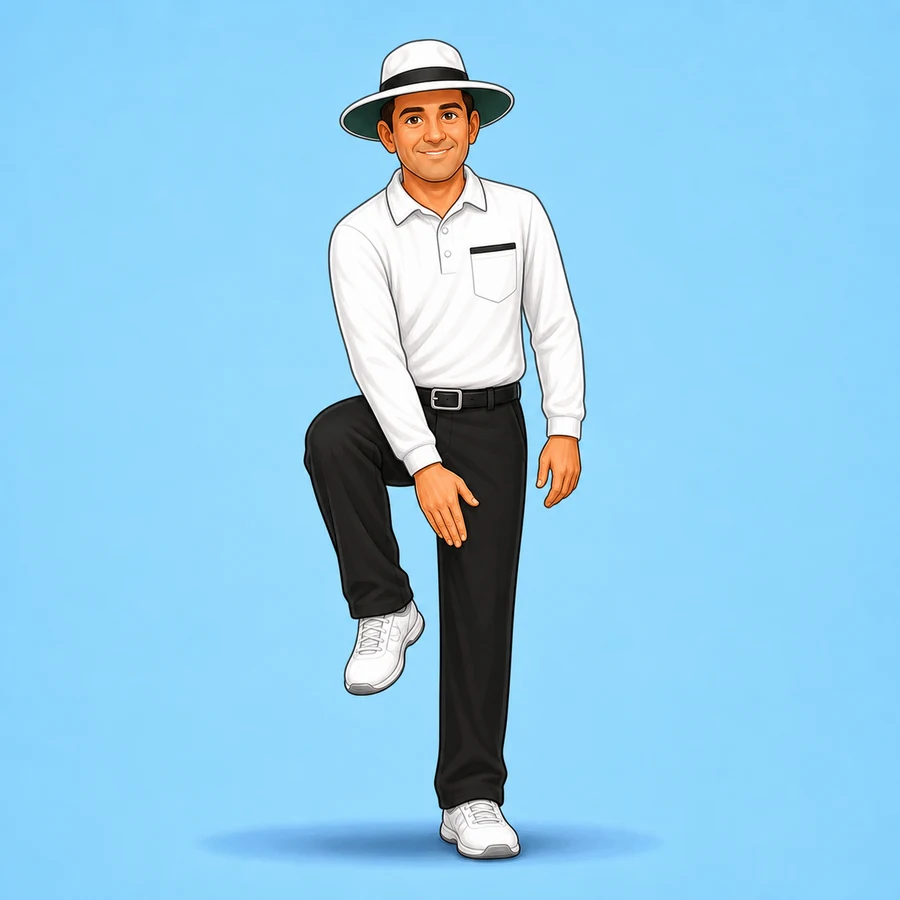
Leg Bye
Runs are scored after the ball touches the batter's body rather than the bat, if the local rule allows it.
When it happens: When the ball deflects off the pad or body and the batters run under the rule.
What parents should know: Leg byes may be unfamiliar or simplified in youth competitions.
Visual cue: Umpire touches or raises a hand to the lifted knee or leg area.
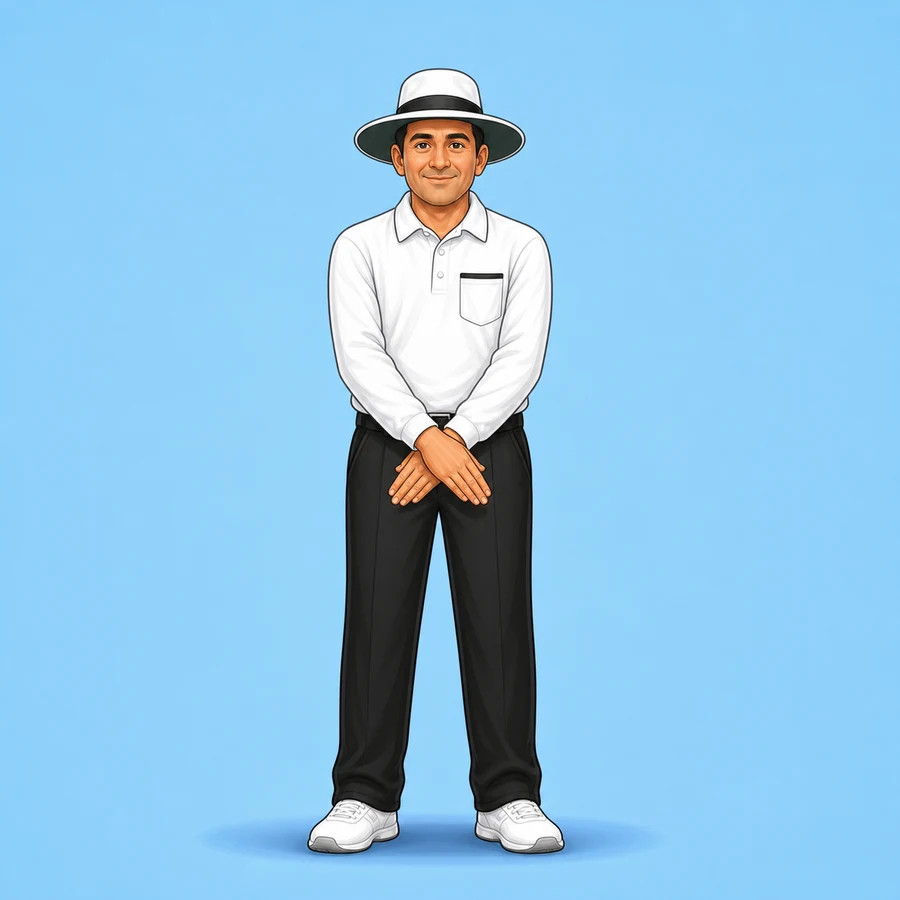
Dead Ball
The ball is no longer in play and no further action counts from that delivery unless the umpire says otherwise.
When it happens: After an interruption, unsafe moment, player issue, ball problem, or other stoppage.
What parents should know: Dead ball can reset a confusing moment. Let the umpire and coaches explain what happens next.
Visual cue: Umpire crosses and uncrosses wrists below the waist or uses the local dead-ball signal.
Short Run
A batter did not complete the required ground behind the crease, so a run is not counted.
When it happens: When a batter turns for another run without properly making the crease.
What parents should know: This is a scoring correction, not always a dismissal. It often teaches proper grounding of the bat.
Visual cue: Umpire taps the shoulder with fingers or uses the local short-run signal.
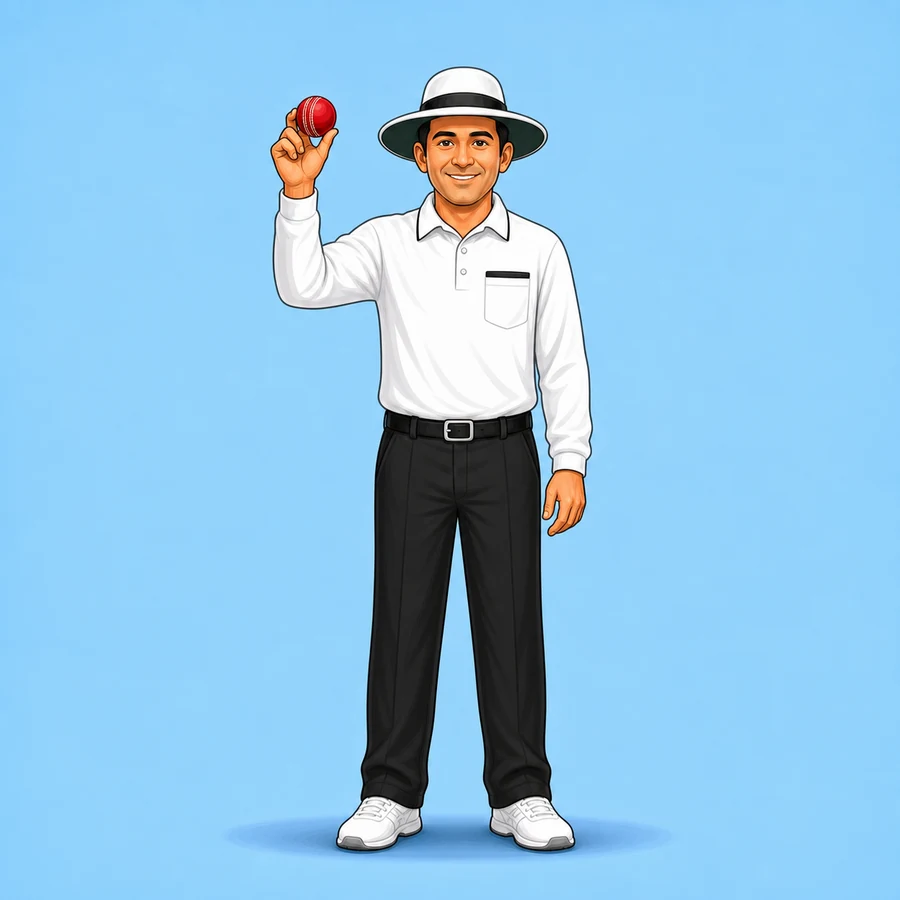
New Ball
A new ball is being used or offered under the competition rules.
When it happens: In longer or older youth hard-ball formats when the ball is replaced according to local rules.
What parents should know: Many short youth games will not use a formal new-ball signal. It is most relevant in structured hard-ball competitions.
Visual cue: Umpire holds the ball up to show the change.
Signal To Scorers
The umpire repeats or holds a signal so the scorers can record the result correctly.
When it happens: After boundaries, extras, dismissals, short runs, and other scoring events.
What parents should know: If you are helping score, wait for the umpire's final signal before writing the result.
Visual cue: Umpire faces the scorers and gives the relevant signal clearly.